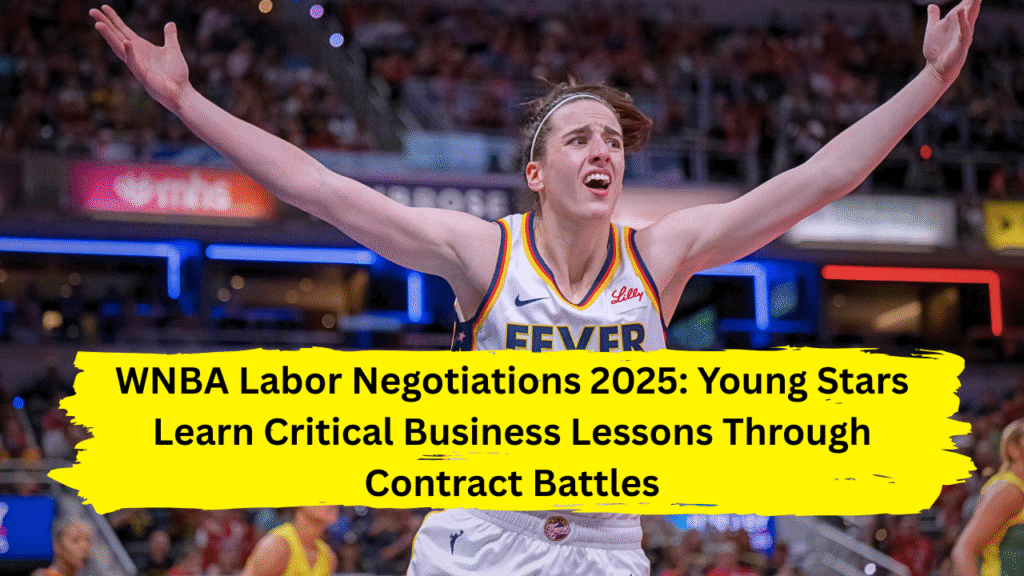
WNBA labor negotiations 2025 provide rookie players with invaluable business education as they navigate complex contract disputes and collective bargaining processes.
The ongoing WNBA labor negotiations 2025 have transformed into an unexpected educational opportunity for the league’s emerging stars, providing young players with intensive crash courses in professional sports business operations, collective bargaining dynamics, and strategic negotiation tactics. This complex situation has forced rookies and second-year players to rapidly develop business acumen that typically takes years to acquire.
The WNBA labor negotiations 2025 represent far more than simple contract disputes; they’ve become defining moments that shape how young athletes understand their value, leverage, and long-term career prospects within professional sports. These negotiations are teaching invaluable lessons about economics, labor relations, and the intersection of sports and business that will influence these players throughout their careers.
The Educational Value of Labor Disputes
The current WNBA labor negotiations 2025 have created unique learning environments where young players observe firsthand how professional sports operate as businesses rather than simply competitive endeavors. These negotiations expose the complex financial structures, revenue streams, and cost considerations that drive decision-making in professional athletics.
Rookie players participating in WNBA labor negotiations 2025 are gaining insights into salary cap management, revenue sharing agreements, and the relationship between league profitability and player compensation. This education extends far beyond what traditional business courses or agent consultations typically provide.
The negotiation process itself serves as a masterclass in strategic thinking, compromise, and long-term planning that young players will apply throughout their careers. The WNBA labor negotiations 2025 demonstrate how collective action and individual interests must be balanced to achieve sustainable outcomes.
These experiences teach young athletes to view themselves as both entertainers and business professionals who must understand market dynamics, fan engagement, and commercial partnerships to maximize their career potential.
Understanding Market Value and Leverage
The WNBA labor negotiations 2025 have forced young players to confront realistic assessments of their market value while learning how to effectively utilize whatever leverage they possess. This process requires honest evaluation of performance, potential, and marketability within the current sports landscape.
Players are discovering how television ratings, social media engagement, and fan attendance directly impact their negotiating positions during WNBA labor negotiations 2025. This connection between performance and business outcomes provides practical lessons in personal brand development and value creation.
The negotiations demonstrate how individual excellence must be balanced with collective bargaining power, teaching young players when to prioritize personal interests versus team solidarity. The WNBA labor negotiations 2025 illustrate the complex dynamics between star players and role players in contract discussions.
Understanding the difference between perceived value and actual market value has been a sobering lesson for some young players who discover that college success doesn’t automatically translate into professional leverage.
Revenue Sharing and Economic Realities
The WNBA labor negotiations 2025 have provided transparent looks into league economics that many young players had never previously considered. Understanding revenue sources, operating costs, and profit margins has given players realistic perspectives on compensation expectations and growth potential.
Television contracts, sponsorship deals, and ticket sales all factor into the economic equations that drive WNBA labor negotiations 2025. Young players are learning how their on-court performance directly impacts these revenue streams and, consequently, their own earning potential.
The WNBA financial structure differs significantly from men’s professional sports, requiring players to understand unique challenges and opportunities within women’s athletics. The WNBA labor negotiations 2025 have highlighted these distinctions clearly.
International playing opportunities and overseas contracts have become important topics during negotiations, teaching young players about global basketball markets and alternative revenue sources that can supplement WNBA earnings.
Collective Bargaining Dynamics
The WNBA labor negotiations 2025 have introduced young players to collective bargaining principles and the power of organized labor action. Understanding how unions function and why collective action often proves more effective than individual negotiations has been educational.
Learning to balance personal ambitions with collective goals has challenged many young players who are accustomed to individual recognition and achievement. The WNBA labor negotiations 2025 demonstrate how shared sacrifice can lead to improved outcomes for everyone.
The role of veteran leadership during negotiations has shown young players how experience and institutional knowledge influence bargaining strategies and outcomes. These mentorship dynamics extend beyond basketball into business education.
Understanding legal frameworks, precedent-setting decisions, and long-term implications of contract language has given young players appreciation for professional representation and strategic planning.
Media Relations and Public Perception
The WNBA labor negotiations 2025 have taught young players valuable lessons about managing public perception and media relations during sensitive business discussions. Learning when to speak publicly and when to remain silent has proven crucial.
Social media strategy during labor disputes requires careful consideration, and the WNBA labor negotiations 2025 have provided real-time lessons in digital communication and brand management. Young players are learning how their public statements impact negotiations.
The intersection of sports journalism and labor reporting has exposed players to different types of media coverage and the importance of building relationships with reporters who cover business aspects of professional sports.
Understanding how fan reactions to labor disputes can influence negotiation outcomes has taught young players about stakeholder management and public relations strategy.

Long-term Career Planning
The WNBA labor negotiations 2025 have forced young players to think beyond immediate contracts toward long-term career planning and financial security. These discussions encompass retirement benefits, healthcare coverage, and post-career opportunities.
Players are learning about different contract structures, guaranteed money versus incentive-based compensation, and how to evaluate long-term financial implications of various deal proposals during WNBA labor negotiations 2025.
The importance of financial literacy and professional financial management has become apparent as players navigate complex contract terms and consider various compensation structures.
Understanding career length expectations and planning for transitions into coaching, broadcasting, or business careers has become part of the educational value of these negotiations.
Negotiation Skills and Strategy
The WNBA labor negotiations 2025 have provided practical education in negotiation tactics, strategic positioning, and compromise-building that extends far beyond sports applications. These skills will prove valuable throughout players’ professional lives.
Learning to identify win-win scenarios and creative solutions that satisfy multiple stakeholders has been crucial during complex negotiations. The WNBA labor negotiations 2025 demonstrate how effective negotiation requires understanding all parties’ interests and constraints.
Players are developing skills in data analysis, precedent research, and argument construction that will serve them in future contract negotiations and business ventures.
The importance of preparation, patience, and persistence in achieving favorable outcomes has been reinforced through the lengthy WNBA labor negotiations 2025 process.
Business Network Development
The WNBA labor negotiations 2025 have created opportunities for young players to build professional networks that extend beyond basketball into business, law, and finance. These relationships often prove valuable throughout their careers.
Interactions with agents, lawyers, union representatives, and league executives during negotiations provide young players with insights into various career paths and business opportunities within sports industries.
Learning to work with professional advisors and understanding how to evaluate their advice has been an important aspect of the WNBA labor negotiations 2025 educational experience.
Building relationships with veteran players and learning from their experiences navigating similar situations creates mentorship opportunities that extend beyond immediate negotiations.
Impact on Future Leadership
The WNBA labor negotiations 2025 are developing future league leaders who understand both basketball and business aspects of professional sports. This education creates more informed and effective advocates for players’ interests.
Young players gaining negotiation experience and business knowledge are better positioned to assume leadership roles within player associations and contribute meaningfully to future labor discussions.
Understanding the broader context of women’s professional sports and the unique challenges facing the WNBA has created more thoughtful advocates for league growth and development.
The leadership skills developed during WNBA labor negotiations 2025 will benefit players as they transition into coaching, front office roles, or business careers after their playing days end.
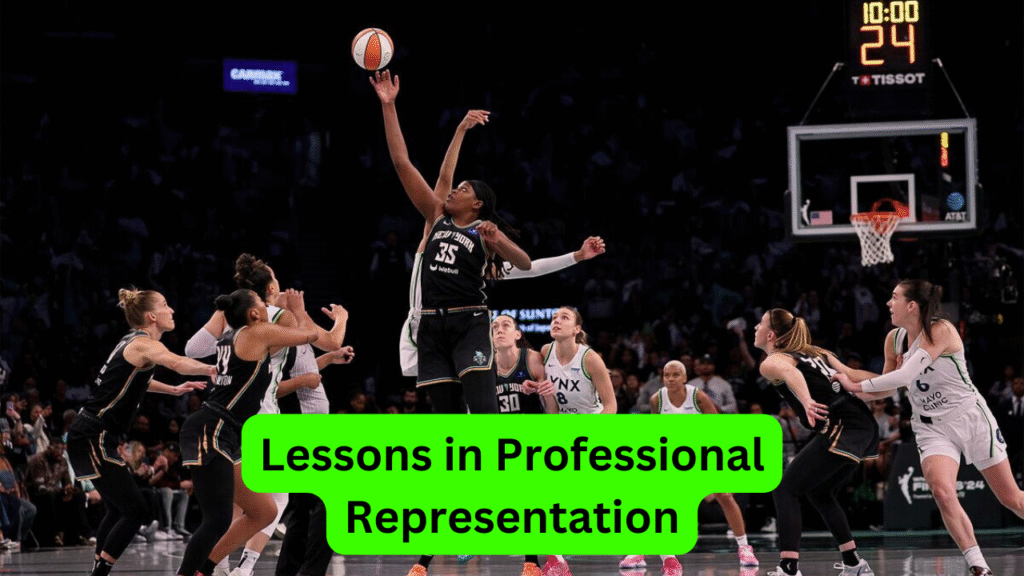
Lessons in Professional Representation
The WNBA labor negotiations 2025 have taught young players about selecting and working with professional representation, including agents, lawyers, and financial advisors. Understanding how to evaluate and utilize these relationships has proven invaluable.
Players are learning to distinguish between different types of professional services and when various forms of representation are most appropriate during contract negotiations and career planning.
The importance of understanding contract terms rather than simply relying on representatives has become clear during the WNBA labor negotiations 2025 process.
Learning to maintain control over career decisions while effectively utilizing professional advice has been a crucial skill development area for young players.
Also Read: Latest Trending News at USASportsPulse.com for comprehensive coverage of all major sports developments and breaking news.
Conclusion
The WNBA labor negotiations 2025 have provided unprecedented educational opportunities for young players to develop business acumen, negotiation skills, and strategic thinking capabilities that will serve them throughout their careers. These experiences have transformed potential adversarial situations into valuable learning opportunities.
As these negotiations conclude, the young players who participated will emerge with sophisticated understanding of professional sports business operations and enhanced preparation for future career challenges. The WNBA labor negotiations 2025 have created a more business-savvy generation of athletes who are better equipped to advocate for themselves and advance the interests of women’s professional sports.
The long-term benefits of this business education will likely extend far beyond immediate contract outcomes, creating leaders who can guide the WNBA toward continued growth and success in an increasingly competitive entertainment marketplace.