There’s something electric happening in the WNBA this year. Not just because of the usual MVP chase or star performances—but because first-year head coaches aren’t merely filling roles. They’re defining seasons. Among them, Natalie Nakase stands out, but she’s not alone. The 2025 season is proving that fresh leadership is one of the WNBA’s most powerful new storylines.
This shift in coaching isn’t just about results. It’s about culture, identity, defense, and rewriting expectations. If you want to understand what the WNBA will look like in the next few years, watching these first-year coaches is essential.
The Rise of Natalie Nakase: More than Just Coach of the Year
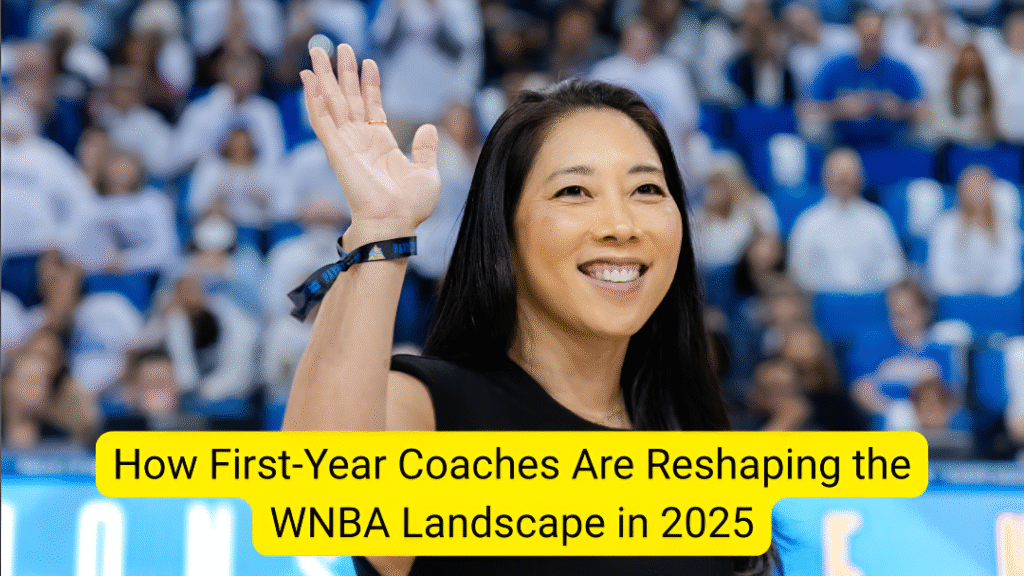
2025 will go down as the year Natalie Nakase flipped the script on what a first-year coach can do. Leading the Golden State Valkyries, the league’s newest expansion team, into the playoffs was already a long shot. Yet Nakase didn’t just do it; she made history. She earned Coach of the Year in her debut season, a recognition not just of wins and losses, but of how she transformed everything around her.
Nakase didn’t come with a stacked roster. She worked with expectations against her. But she built defensive schemes, fostered trust among players, and leaned into roles that others had overlooked. Her leadership reimagined what an expansion team could be—not just competitive, but respected and dangerous. It’s not about being flashy—it’s about being effective. And she’s shown that you can impact the league deeply from Day One.
A Coaching Wave: New Voices, New Styles
Nakase is the most visible symbol of a wider coaching renaissance. 2025 saw an unusual number of head coach changes. Several teams brought in head coaches who were new to that role, or who had to rebuild culture, identity, or strategy. Some came from assistant roles, others from college benches, even international circuits.
What this means:
- Teams aren’t just looking for familiar names. They’re willing to take risks on potential, vision, and fresh perspective.
- Defensive philosophies, player development, mental resilience, and culture building are becoming as important as offense and star power.
- More coaches are prioritizing strong relationships, communication, adaptability, and growth mindsets.
What Sets the Best First-Year Coaches Apart
Not all new head coaches will shake up the league. What makes the standouts special? Here’s what I see:
-
Vision + Identity
The best first-year coaches aren’t copying what’s already been done. They bring a clear identity—what their team stands for defensively or offensively, how they want to play under pressure, what standards they demand off the court. -
Trusting the Undervalued
Many of the most impactful moments I’ve noticed come when new coaches give chances to players who were overlooked. Whether veterans returning, role players, or young players with potential, it’s about unlocking parts of the roster others may have ignored. -
Adjusting on the Fly
Roster injuries, schedule fatigue, travel—WNBA seasons are brutal. First-year coaches who survive are those who adapt: changing playing style, lineup, strategy when needed rather than sticking rigidly to a preseason plan. -
Strong Culture & Communication
New voices often shine when they build trust early. When players believe in their coach, buy in to shared goals, and feel heard, that creates momentum. Locker room culture, training habits, mental health support—all become part of the package.
The Impact: Results Are Coming Sooner Than Expected
What’s significant is that with many first-year coaches, the expectations were modest—rebuilding, learning, laying foundations. But results are arriving faster than many predicted.
- Teams led by new coaches are outperforming preseason projections.
- There are surprising playoff pushes, strong defensive rankings, better rotations, more player improvements.
- Even for teams still finding their footing, you see more competitiveness, more upsets, more games decided late than in years past.
Natalie Nakase’s Valkyries are the signature case: an expansion team making it to postseason contention under her leadership. That alone changes what people believe is possible in a debut season.
Challenges First-Year Coaches Face & How They’re Navigated
Of course, this isn’t easy territory. Here are some of the headwinds:
- High Expectations Post-Success: Once you do well, expectations rise immediately. The second season trap is real.
- Roster Limitations: Expansions, injuries, budget constraints, talent depth—all are pressing concerns. Coaches who succeed have found ways to develop talent and maximize “what’s available” rather than waiting for perfect pieces.
- External Pressure: Media scrutiny, fan expectations, travel demands—first-year coaches often take the heat for early losses or adjustment periods.
- Balancing Innovation vs Consistency: Trying new things is good, but stability matters. Players need consistency in roles and strategies to improve.
The ones who are winning are those who manage all these well—not ignoring challenges but turning them into opportunities.
Why This Trend Matters for the WNBA’s Future
This coaching evolution is significant beyond one season:
- League Depth & Parity: With more capable coaches, more teams can compete. That reduces predictability and increases excitement.
- Player Growth & Development: Coaches who prioritize development and trust give more players chances to shine. That improves the talent pool and creates more breakout stories.
- Diverse Perspectives: Coaches coming from different backgrounds—college, international, assistant roles—bring innovation. They challenge norms, bring new strategies, which benefits the league’s evolution.
- Fan Engagement: New stories, fresh identities, unexpected successes—all of this makes fans feel like the season isn’t “same old.” It draws new audiences, especially in cities with coach changes or underdog narratives.
Who to Watch: New Coaches Making Noise
Aside from Nakase, keep your eyes on:
- Coaches who took over teams with high turnover or injury concerns and are still keeping their squads competitive.
- Coaches from non-traditional paths—college coaches, international coaches, those who were assistants and now get their first big chance. How they adjust will tell us how open the league is to different kinds of leadership.
- Coaches recognized for culture building and player improvement—not just wins. Those are harder to measure but crucial in long term success.
What This Means For You as a Fan (and Content Creator)
If you follow WNBA, this trend gives you new lenses:
- Don’t just watch for MVPs or scoring leaders. Watch coaching trajectories. Notice how teams adapt, what adjustments happen in games.
- Pay attention to quotes and communication: what coaches say about culture, growth, mistakes. Those often predict longer-term success more than early wins.
- Track underrated players who get more minutes or responsibility under new coaches—they often turn into strong stories of improvement.
- For content creators, these are rich stories to tell: a rookie coach leading a franchise, underdog victories, team culture shifts. Fans love behind-the-scenes insight into leadership, tactical changes, locker room development.
Conclusion: The WNBA Coaching Renaissance Is Real
What 2025 is proving is that first-year coaches in the WNBA aren’t just placeholders—they are architects. Natalie Nakase has turned heads, but she is part of a larger movement. Fresh voices, innovation, culture focus, resilience, player trust—these aren’t buzzwords. They are shaping a new era for the league.
So when you watch next season, don’t only ask “who will be the MVP?” Ask “which coach will shift the narrative?” Because the impact of these leaders will echo long after the final buzzer.
Also Read: Latest Trending News