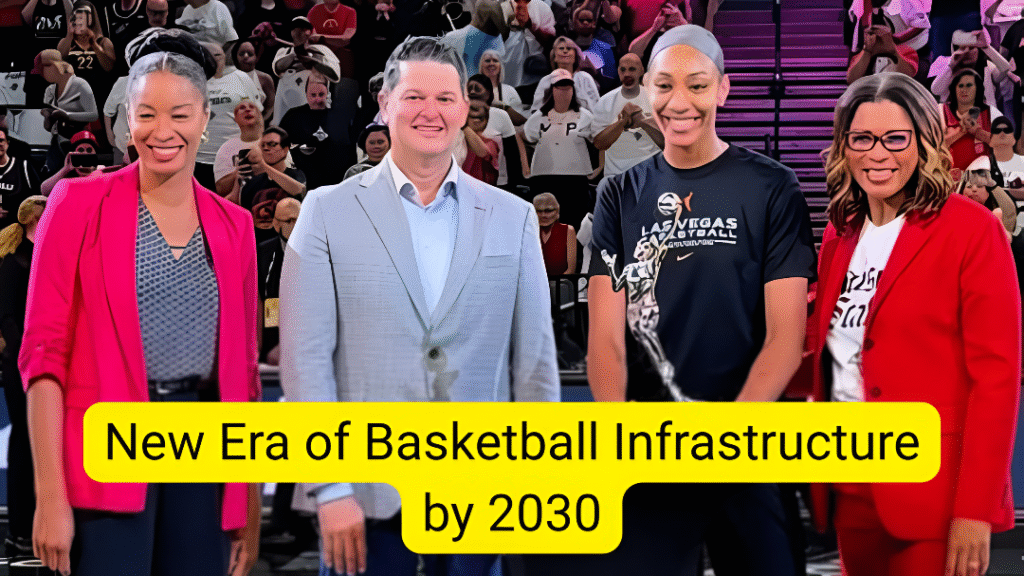
In sports, the arena isn’t just a building — it’s identity, economics, community, power. The next wave of WNBA expansion isn’t just about adding more teams. It’s about where those teams will play, how those venues will be built, and what that means for cities, fans, players, and the league itself. As the WNBA moves toward 18 teams by 2030, key arena projects—especially the planned South Philadelphia Arena—are more than just real estate; they’re the framework for the future. This is the story of how arena strategy will reshape women’s basketball, possibly forever.
The Expansion Boom: More Teams ≠ More Success Without Structure
When the WNBA announced that Cleveland (2028), Detroit (2029), and Philadelphia (2030) will join the league in its next expansion wave, many celebrated the growth. But expansion without infrastructure is risky. Franchises need strong ownership, yes—but also long-term arena plans, practice facilities, fan access, and identity tied to place.
Philadelphia, in particular, has committed to a new arena in South Philadelphia that will be more than just a home court. It will be a symbol: of permanence, investment, cultural significance. Across Detroit and Cleveland, similar concerns and opportunities are tied to existing arenas versus building new ones or retrofitting older ones. How these are done will affect team performance, fan engagement, and how the WNBA is seen.
South Philadelphia: A Case Study in Arena Vision
By 2030, the South Philadelphia Arena is expected to open—and it will serve not only as the home of the Philadelphia 76ers (NBA) and Flyers (NHL), but also the new WNBA expansion team. This planned multi-purpose arena will be a beacon. Shared ownership between key stakeholders, state-of-the-art design, and intent to build for women’s basketball from day one make this arena project especially significant.
That matters because so often, expansion teams get stuck in borrowed or suboptimal arenas, with limited practice space, awkward scheduling, or fan experience compromises. Philly’s plan shifts that: it recognizes a WNBA franchise deserves world-class facilities, not leftovers.
Infrastructure + Arena Strategy: Why It’s More Than Just Seats
Arenas do many invisible things:
-
Scheduling & Calendar Control
Shared arenas mean you need to juggle dates. A dedicated or well-planned facility ensures WNBA games aren’t pushed to odd slots or times when fan attendance or viewership drops. -
Practice Facilities & Player Welfare
Top players want consistent, professional practice facilities. Travel, amenities, locker rooms—all that plays into performance and health. -
Fan Experience & Venue Design
From access (public transport, parking) to amenities (concessions, restrooms, sightlines), a newer arena can be designed for women’s basketball fans: family friendly, inclusive, geared toward growing the fanbase rather than just filling seats. -
Identity & Branding
Home courts matter. Colors, community, local culture can be integrated into architecture, decor, and fan zones. That builds loyalty.
Impact on Players, Community & Economics
If done right, new arenas and infrastructure can ripple out in powerful ways.
-
Boosting Local Economies
Jobs in construction, operations, local small-business spillover (restaurants, retail), plus increased tax revenue from visitors and events. -
Attracting Talent
Players want good facilities, support, visibility. Being part of a team playing in a top-tier arena with good resources makes recruitment easier. -
Media & Sponsorship Appeal
Better arenas = better broadcast facilities, better fan experience = higher ratings, more sponsorship. Investors see value when there’s a commitment to professional infrastructure. -
Elevating Women’s Sports Culture
Everything from youth programs to local engagement, women’s basketball gains legitimacy when facilities mirror the investment seen in men’s sports. That sends a message about equity, seriousness, and the value society places on women’s athletics.
Challenges Ahead: What Could Go Wrong
None of this happens by magic. There are pitfalls:
-
Cost Overruns & Delays
Big arena projects often face delays, budget blowouts, political pushback. Planning must be meticulous. -
Shared-Use Compromises
When arenas are shared with NHL, NBA, or other events, there’s competition for scheduling, setup changes, even branding. If not managed, WNBA teams risk being second priority. -
Fan Accessibility
A venue in an inconvenient area or without good transport options can hurt attendance. If arena is hard to reach, parking is bad, or costs are high, first impressions can be lost. -
Ownership & Commitment
Infrastructure is expensive. It requires owners with long-term vision (beyond immediate wins or losses), good relationship with city governments, resources to maintain the venue, invest in practices facilities and marketing.
The Bigger Picture: WNBA’s Strategic Growth & Arena Blueprint
Looking forward toward 2030 and the 18-team league, a few strategic templates are emerging:
- Arena + Ownership Alignment — Teams located in cities with existing NBA/NHL infrastructure and ownership (e.g. Philadelphia, Detroit, Cleveland) seem best positioned. Those with existing arenas or strong partnerships can move faster.
- Multi-Purpose & Shared Spaces vs Dedicated Venues — While shared venues are cost-efficient, dedicated or semi-dedicated arenas/practice facilities offer better control. Across expansions, balancing cost-justification vs performance will be key.
- Fan-centric Design — New arenas need to appeal not just to hardcore fans, but families, casual watchers, youth. Design choices like smaller seating bowls, interactive spaces, good amenities, visibility, affordable ticketing, are part of the equation.
- Timing & Phased Builds — With some expansion teams arriving in 2028, 2029, 2030, planning timelines are tight. Some planners may build now or retrofit later in phases, to align with when team arrives.
- Community Engagement & Local Identity — Arena location, design, outreach must respect and reflect local culture. Neighborhood impact, economic inclusivity, transit, usage outside just game days (concerts, events) matter.
What South Philadelphia Arena Might Signal for Other Cities
Philadelphia’s plan is particularly interesting because:
- It’s replacing an intended downtown plan with one in the existing Sports Complex—reflecting responsiveness to community feedback and political reality.
- It has clear intent to host a WNBA team, not just have a “maybe in the future” possibility. The alignment between building arena + awarding franchise makes things more concrete.
- It shows the WNBA is increasingly requiring expansion bids to include serious infrastructure plans, not just financial or market size metrics.
This may push other cities bidding for future expansion or franchises (beyond the current 18) to come prepared with similar arena plans, or risk being passed over.
What to Watch in the Coming Seasons
To see if this infrastructure push is working, keep an eye on:
- Construction progress of the South Philadelphia Arena and similar practice facility projects in Cleveland & Detroit. Timelines, cost, community reactions.
- How future WNBA teams perform in arenas shared vs newly built ones; home vs away revenue, attendance variances, fan satisfaction.
- Media deals and broadcast quality once the arenas are in place—newer venues often enable better sci-tech (HD broadcast, camera angles, lighting), which can affect TV/radio viewership.
- Player feedback about facilities: Are locker rooms, training spaces, travel, schedule, amenities improving?
- Economic data: how much local economic boost (jobs, small business, infrastructure), and whether public investment vs private investment burdens are sustainable.
Conclusion
The arena isn’t just where games happen—it’s where legacies form. The WNBA’s upcoming expansion wave isn’t just about adding teams—it’s about doing it with infrastructure, intention, and identity. The South Philadelphia Arena is more than another stadium; it’s a bellwether for what the league expects from its newest franchises. How cities build, where they build, and who invests in arenas will help determine whether these expansions are momentary hype or lasting pillars of the WNBA.
This is infrastructure as strategy. Facility as identity. Arena as promise. And if everything lines up—2030 won’t just be a year of more teams. It could be a turning point in how women’s pro basketball is built and sustained.
Also Read: Latest Trending News