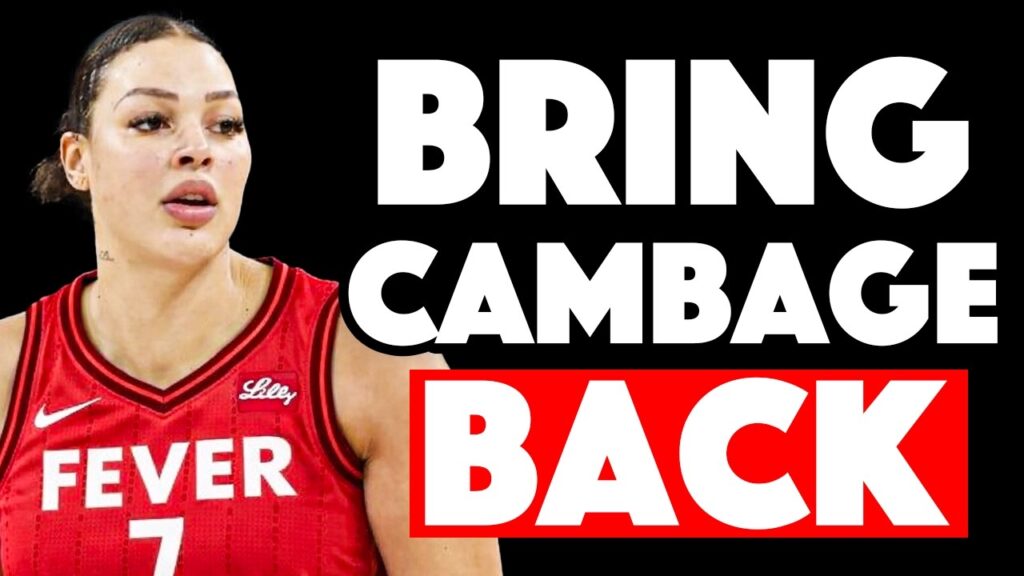
The WNBA superteams controversy is slowly becoming one of the most important conversations in women’s basketball. It is not loud like trash talk. It is not sudden like a scandal. Instead, it is quiet, deep, and growing with every season.
More stars are teaming up.
More balance is shifting.
More fans are asking questions.
Is this good for the league?
Or is it dangerous?
This blog breaks down the rise of WNBA superteams in the simplest way possible. No complex business talk. No heavy stats. Just real stories, real emotions, and real basketball truth.
This is an evergreen topic because superteams are not a trend. They are a direction.
What Is a Superteam in the WNBA?
A superteam is not just a good team.
A superteam is built when multiple star players come together—often intentionally—to dominate the league. These teams usually have:
- Multiple All-Stars
- Championship expectations
- Heavy media attention
In the WNBA, superteams are still new compared to the NBA. But they are clearly forming.
Fans notice it.
Players feel it.
The league is changing because of it.
How Superteams Started in the WNBA
For many years, the WNBA was built on balance.
Draft picks mattered.
Small markets competed.
Dynasties existed, but not overnight.
But as player movement increased and stars gained more control, things shifted.
Players began choosing:
- Where they wanted to live
- Which teammates they trusted
- Which teams could win now
That freedom changed everything.
Player Power Changed the League
The modern WNBA player is more empowered than ever.
Players now:
- Speak openly
- Influence roster moves
- Attract free agents
This power is not a bad thing. It gives players control over their careers.
But when several top players choose the same destination, the superteam debate begins.
The WNBA superteams controversy is really about choice versus balance.
Why Players Want to Join Superteams
This part is important to understand.
WNBA careers are short.
Salaries are limited.
Injuries are real.
Players want:
- Championships
- Stability
- Strong teammates
Joining a superteam increases the chance of winning without carrying the entire load.
From a human point of view, it makes sense.
Why Fans Are Divided
Some fans love superteams.
They say:
- Games feel bigger
- Stars shine brighter
- Rivalries feel intense
Other fans hate them.
They say:
- Small teams lose hope
- Outcomes feel predictable
- Parity disappears
Both sides have valid feelings.
This emotional divide fuels the WNBA superteams controversy every season.
Media Attention Follows Superteams
Media loves superteams.
More stars mean:
- More headlines
- More debate
- More clicks
This creates a loop.
Superteams get more coverage.
Coverage creates more popularity.
Popularity attracts more players.
Meanwhile, quieter teams struggle for attention—even if they play great basketball.
Are Superteams Fair to the League?
This is where the debate gets serious.
The WNBA is still growing. It needs:
- Competitive balance
- Fan trust
- Long-term excitement
If the same teams dominate every year, new fans may lose interest.
At the same time, star power helps the league grow faster.
The league walks a thin line.
The Small Market Problem
Some WNBA teams do not have:
- Big cities
- Huge media coverage
- Major endorsement opportunities
When superteams form in popular locations, small markets feel left behind.
Fans ask:
“Why should we care if our team can’t compete?”
This feeling hurts loyalty.
Championships vs Entertainment
Here is a hard truth.
Winning is not the only goal of a league.
Entertainment matters.
If fans already know who will win, tension disappears.
The WNBA superteams controversy is about keeping uncertainty alive.
Do Superteams Actually Guarantee Success?
Not always.
Chemistry matters.
Health matters.
Egos matter.
Some superteams struggle because:
- Roles clash
- Leadership is unclear
- Pressure becomes heavy
This reminds fans that basketball is still unpredictable.
How Coaches Handle Superteams
Coaching a superteam is harder than it looks.
Every player expects minutes.
Every star expects respect.
Every loss becomes a headline.
Coaches must balance talent and emotion.
One mistake can break trust.
The Impact on Young Players
Young players entering the league face a tough reality.
On superteams:
- Minutes are limited
- Development slows
- Pressure rises
On rebuilding teams:
- Responsibility is heavy
- Losing hurts confidence
Superteams change how rookies grow.
Are Superteams Good for TV Ratings?
Short-term, yes.
Big matchups attract viewers.
Stars bring casual fans.
Long-term, it depends.
If outcomes feel repetitive, excitement fades.
The league must think beyond one season.
Social Media Makes Everything Bigger
Social media amplifies the superteam debate.
Every trade becomes drama.
Every loss becomes criticism.
Every win becomes bragging rights.
Players feel this pressure daily.
Fans argue nonstop.
The WNBA superteams controversy lives online more than anywhere else.
The Business Reality Behind Superteams
Money matters—even in a growing league.
Sponsors want visibility.
Stars want exposure.
Teams want profit.
Superteams often generate:
- Higher ticket sales
- More merchandise
- Stronger brand deals
This makes them attractive from a business view.
Does the League Need Rules to Stop Superteams?
Some fans suggest:
- Salary caps adjustments
- Roster limits
- Draft incentives
Others say freedom should remain untouched.
There is no perfect answer.
Too many rules limit player freedom.
Too few rules create imbalance.
Comparing the WNBA to Other Leagues
Other leagues faced this problem before.
The NBA went through it.
Soccer leagues face it constantly.
History shows that balance usually swings back over time.
The WNBA may follow the same path.
Why This Controversy Is a Sign of Growth
This might sound strange, but the WNBA superteams controversy is actually a good sign.
It means:
- The league is popular enough to debate
- Stars have influence
- Fans care deeply
Leagues without controversy are ignored leagues.
What the Ideal Future Looks Like
The best future is not anti-superteam or pro-superteam.
It is balanced growth.
That means:
- Stars promoted across teams
- Fair competition
- Smart scheduling
- Strong storytelling
The league must show that every team matters.
Lessons the League Must Learn Now
If the WNBA ignores this moment, problems may grow.
If it listens, adapts, and plans, superteams can coexist with parity.
Timing matters.
The Human Side of the Debate
At the end of the day, players are people.
They want:
- Success
- Security
- Respect
Fans want:
- Excitement
- Fairness
- Hope
The league must serve both.
Final Thoughts: A League at a Crossroads
The rise of superteams is not destroying the WNBA.
It is testing it.
How the league responds will define the next decade.
If handled well, superteams can lift the league higher than ever.
If mishandled, they can divide fans and limit growth.
This is not just a basketball issue.
It is a future-defining moment.
Also Read: Latest Trending News