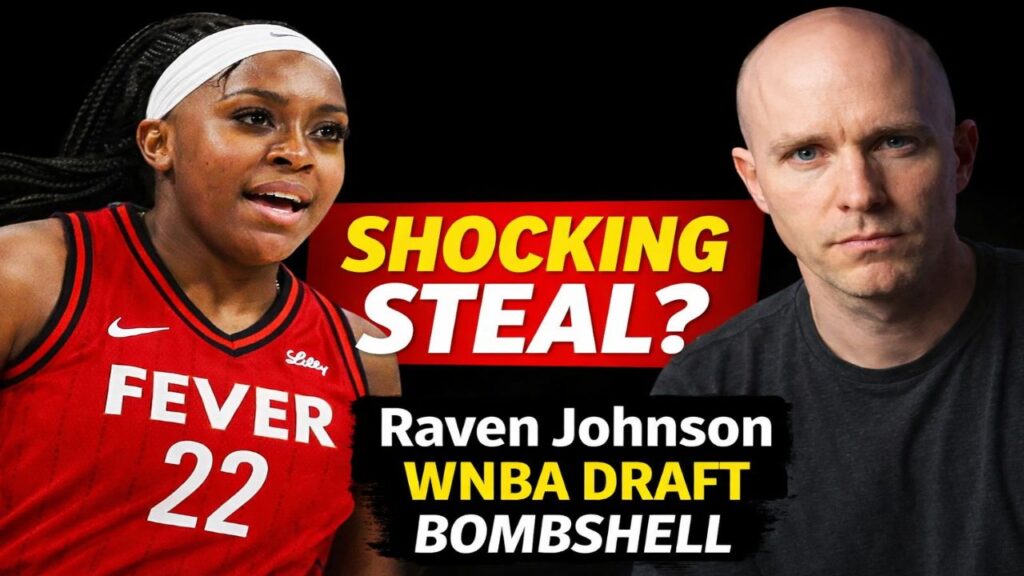
Tonight, I want you to imagine something that would’ve sounded impossible just a few years ago. A WNBA rookie walking into her first training camp, signing her first professional contract… and knowing she might become part of the highest-paid generation in league history. Not just respected. Not just marketable. But truly paid. For years, we’ve heard the same story: incredible talent, sold-out arenas in the Finals, global superstars… and salaries that never seemed to match the impact. But something is shifting right now, and if you blink, you might miss the moment the entire financial future of the WNBA changes forever.
For a long time, the league survived on grit. Legends built this thing brick by brick. Players flew commercial, played overseas in the winter, risked burnout, risked injury, and still came back every summer to elevate the game. The sacrifices were real. The passion was real. The paychecks? Not always. And fans knew it. Every time comparisons surfaced between WNBA salaries and the NBA, debates exploded. Every time a star announced she was heading to Russia, Turkey, or China in the offseason, fans asked the same question: Why does she have to leave to get paid what she’s worth?
But here’s the twist. The foundation those veterans built is starting to cash in. We are entering a new era — driven by broadcast deals, expansion buzz, viral rookies, social media influence, and corporate sponsors finally recognizing what’s been in front of them the whole time. And the most fascinating part? The players who might benefit the most are the ones just now stepping into the league.
Think about how dramatically visibility has changed. College women’s basketball is breaking viewership records. Draft nights are turning into prime-time spectacles. Jersey sales spike before rookies even play their first professional game. The pipeline into the league isn’t quiet anymore — it’s loud, dramatic, headline-grabbing. That momentum doesn’t just create hype. It creates leverage.
Leverage is everything in sports economics.
When television networks fight for rights, when streaming platforms bid aggressively, when sponsors attach themselves to personalities rather than just teams, the value of the league rises. And when league value rises, salary structures eventually follow. Slowly, sometimes painfully slowly — but they follow.
The WNBA has already taken steps toward improving its compensation system. Collective bargaining agreements brought travel improvements, maternity benefits, higher max salaries, and marketing agreements. That alone marked a turning point. But what we’re seeing now feels bigger. It feels structural.
The next wave of media rights negotiations could be transformative. The NBA’s media deal negotiations have set the tone for skyrocketing sports valuations across the board. And as women’s sports ratings surge, advertisers are noticing. Brands that once hesitated are now competing to align with female athletes who connect with younger, digitally native audiences.
And here’s where things get really interesting. The modern rookie isn’t just a basketball player. She’s a brand.
Today’s incoming stars enter the league with millions of followers, NIL experience, endorsement portfolios, and built-in fan bases that travel with them. They’ve already been on national television. They’ve already trended on social media. They’ve already sold out arenas in college. That changes negotiation dynamics entirely.
Instead of “prove yourself first, then we’ll pay you,” it becomes, “you already bring value, and we need to compensate that.”
Imagine being a rookie who has already signed major endorsement deals before stepping onto a WNBA court. That endorsement ecosystem increases her bargaining power indirectly. Teams want her marketability. The league wants her spotlight. Sponsors want her visibility. Suddenly, the rookie scale salary doesn’t tell the full story of her earning potential.
Now zoom out.
Expansion teams are entering the picture. Every time a league expands, demand for talent increases. More roster spots. More competition for stars. More urgency to attract free agents. Expansion also signals financial confidence — ownership groups don’t buy into a league unless they see future growth.
Growth equals revenue projections. Revenue projections influence salary negotiations. And when the next collective bargaining agreement arrives, the players’ union will have a stronger case than ever before.
The emotional core of this story is simple: veterans endured lean years so the next generation could thrive.
Picture a seasoned All-Star looking at the current rookie class and thinking, “They might not have to go overseas.” That’s powerful. That’s legacy. That’s change happening in real time.
But will rookies truly become the highest-paid generation ever?
Let’s break it down logically.
First, salary caps are tied to league revenue. If revenue surges because of media rights, sponsorship, merchandise sales, and attendance growth, then the salary cap ceiling rises. When the ceiling rises, rookie scale contracts can be renegotiated upward in future CBAs.
Second, endorsement markets are exploding for women athletes. In some cases, endorsement income already outpaces base salaries significantly. That trend may accelerate. The definition of “highest-paid” may not even rely strictly on team contracts — it may combine salary plus brand deals.
Third, global interest in women’s basketball is stronger than ever. International partnerships, streaming accessibility, and Olympic cycles amplify exposure. A globally visible rookie commands global sponsorship appeal.
But here’s the tension — and tension is what makes this topic so compelling.
Will ownership fully commit to sharing increased revenue? Will players demand a larger percentage split? Will salary growth be gradual, or will it spike dramatically in one historic agreement?
That uncertainty fuels curiosity. And fans are emotionally invested because it feels like justice delayed finally arriving.
There’s also the cultural element. Women’s sports are no longer a niche conversation. They’re part of mainstream debate about equity, entertainment value, and generational change. Younger audiences don’t carry the same outdated assumptions about women’s sports viability. They consume highlights, buy merch, follow players, and show up.
That shift in cultural mindset increases long-term economic potential.
And let’s talk about ratings. When playoff games draw millions of viewers, advertisers pay attention. When social clips generate viral engagement, sponsors calculate ROI differently. When arenas sell out consistently, owners notice secondary market ticket prices rising.
Revenue streams multiply.
Merchandising alone has grown dramatically in recent seasons. Signature shoes for women athletes are becoming mainstream conversation pieces. Apparel collaborations extend beyond traditional sportswear into lifestyle fashion. The athlete is no longer confined to the hardwood — she’s a cultural figure.
All of that adds layers to earning potential.
Now imagine the psychological effect on young girls watching. For years, pursuing professional women’s basketball required passion above profit. Now, financial sustainability becomes more realistic. That increases participation at the grassroots level. Increased participation improves competition. Better competition enhances quality. Higher quality boosts ratings. And the economic cycle strengthens.
It’s a feedback loop.
But let’s be real — skepticism still exists. Some critics argue growth projections are overly optimistic. Others say structural revenue disparities between leagues remain too wide for dramatic salary leaps. Those debates are healthy. They force transparency.
Yet even cautious analysts admit trajectory matters more than current numbers. And trajectory is pointing upward.
If we compare where the league was a decade ago to where it stands now in terms of sponsorship, cultural presence, and viewership, the difference is undeniable. Momentum has shifted from survival to acceleration.
And rookies entering during acceleration benefit disproportionately.
There’s also bargaining psychology. When a generation of players enters with massive public support and digital influence, public opinion becomes leverage during negotiations. Fans amplify players’ voices online. Narratives trend. Pressure builds. Leagues respond.
The modern sports economy isn’t just boardroom negotiations. It’s social media dynamics. It’s fan engagement metrics. It’s cultural relevance.
Today’s rookies are fluent in that ecosystem.
They know how to build communities. They understand branding. They collaborate with influencers. They speak directly to fans without gatekeepers.
That autonomy increases personal revenue streams.
Now picture the next CBA meeting. On one side: ownership calculating projected media revenue. On the other: players armed with record ratings, sold-out games, and global endorsement numbers. That’s not the same negotiation environment as it was years ago.
And here’s the emotional heartbeat again — this is about validation.
For decades, women athletes heard they weren’t marketable enough. That they couldn’t draw audiences. That sponsors weren’t interested. Yet every time the spotlight truly shined, fans showed up.
The myth is fading.
So when we ask whether today’s rookies might become the highest-paid generation ever, we’re really asking something deeper. Are we witnessing the correction of an undervalued market?
Because in business terms, that’s exactly what this looks like: an asset that was underpriced for years now being recalibrated.
And recalibrations can be dramatic.
Imagine a scenario where the next media rights deal multiplies league revenue several times over. Imagine expansion fees setting new valuation benchmarks. Imagine star rookies driving merchandise sales that rival established veterans. Imagine corporate partnerships specifically built around young, charismatic players.
Now combine all of that with a stronger players’ union negotiating from a position of momentum rather than desperation.
That’s when generational salary shifts happen.
But it won’t be automatic. It requires strategic leadership. It requires collaboration between league executives and player representatives. It requires sustainable financial planning.
And it requires continued fan engagement.
The fans play a bigger role than most realize. Every ticket purchased, every jersey sold, every highlight shared, every game streamed contributes to revenue metrics used in negotiations. Engagement translates into bargaining strength.
That means viewers watching this very conversation are part of the economic engine.
And let’s not overlook another factor — corporate alignment with social values. Brands increasingly invest in initiatives that reflect inclusivity and empowerment. Supporting women’s sports aligns with that messaging. Marketing budgets follow cultural currents.
That trend may accelerate sponsorship spending in the league, indirectly impacting salary structures.
We also have to consider the long game. Even if rookie base salaries don’t explode overnight, incremental increases compound over time. Five years from now, we may look back at this era as the inflection point.
And think about the narrative power of that first historic contract. The first rookie who signs a deal that makes headlines for being unprecedented. That moment will symbolize more than money. It will symbolize validation of the entire ecosystem.
Imagine the headline: “WNBA Rookie Signs Largest First-Year Contract in League History.” That story would dominate sports media cycles.
And when one player breaks through, others follow.
Competition for elite talent drives financial escalation. If one franchise offers groundbreaking terms to secure a transformative rookie, rival teams must respond.
That’s how salary inflation begins.
There’s also international influence. Overseas leagues once offered significantly higher pay, luring stars away during the offseason. If domestic salaries rise enough to reduce that necessity, player health improves. Rest improves. On-court performance improves. League quality improves. Revenue increases.
Everything connects.
And we haven’t even touched on broadcast innovation. Streaming platforms create new monetization models. Direct-to-consumer packages, behind-the-scenes content, docuseries — all of these expand revenue beyond traditional ticket sales.
Rookies with strong personalities become central characters in that content ecosystem.
Fans invest in stories, not just box scores.
So the economic question merges with storytelling power. The more compelling the narratives around incoming players, the more commercially valuable they become.
And right now, storytelling around women’s basketball has never been stronger.
The drama of draft night. The anticipation of debut games. The rivalries carried over from college. The generational clashes between veterans and newcomers. All of it fuels attention.
Attention fuels revenue.
Revenue fuels salaries.
It’s that simple — and that complex.
We’re standing at the edge of a possible transformation. Not hypothetical. Not abstract. Tangible.
Will today’s rookies look back in ten years and realize they were the first class to truly benefit from the league’s economic breakthrough?
Maybe.
But even if the full explosion doesn’t happen instantly, the trajectory suggests meaningful progress is inevitable.
And here’s the final thought that should stick with you.
This isn’t just about contracts. It’s about sustainability. It’s about whether the most talented women basketball players in the world can build generational wealth within their own league. It’s about whether young athletes can dream without financial compromise.
For years, the dream required sacrifice beyond the court.
Now, the dream might finally include security.
If that becomes reality, then yes — today’s rookies could become the highest-paid generation the WNBA has ever seen.
And when that moment arrives, it won’t feel sudden.
It will feel earned.
Also Read: Latest Trending News