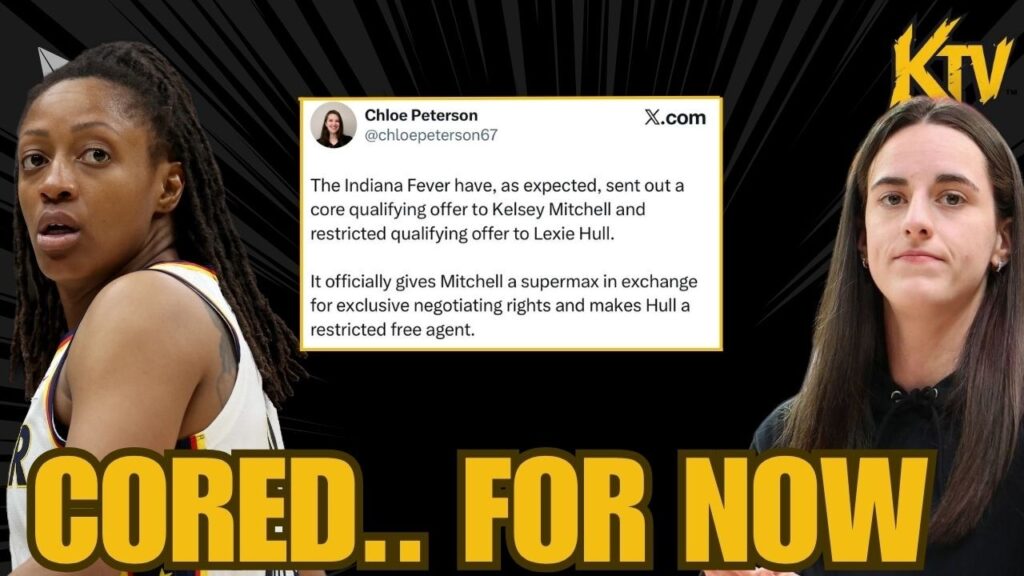
Most people believe that once you become a professional athlete, your life is financially secure forever. Big contracts. Luxury houses. Private jets. Generational wealth. That’s the image we’ve been conditioned to accept. But what if I told you that some of the best basketball players in the world — elite athletes competing at the highest level — still can’t rely on a single season’s salary to sustain their careers? What if I told you that some WNBA stars play year-round, overseas, thousands of miles away from home, not for adventure… but because they have to?
The truth about WNBA salaries is something casual fans rarely understand. When people hear “professional basketball player,” they immediately compare it to the NBA. But the financial realities between the leagues are drastically different. The average WNBA salary is a fraction of what NBA players earn. Even max contracts in the WNBA don’t compare to mid-level NBA deals. And while the league has grown, while viewership is rising, while sponsorships are improving, the financial gap still shapes the lives of players in ways many fans never see.
Take the case of players who dominate headlines during the summer season. They’re All-Stars. They sell jerseys. They trend on social media. Yet once the WNBA season ends, many of them pack their bags and fly overseas — to Russia, Turkey, China, Spain — chasing contracts that can pay two, three, even four times more than their WNBA salaries. It isn’t just about ambition. It isn’t just about love for the game. It’s about financial stability.
Years ago, before her detainment situation made international headlines, Brittney Griner spent multiple offseasons playing in Russia. The reason was simple: the pay overseas was significantly higher than what she earned domestically. That reality shocked many Americans when it became widely discussed. People asked, “Why would a star athlete risk playing abroad?” The answer wasn’t glamour. It was economics.
And she’s not alone. Breanna Stewart once earned more overseas in a single season than she did in the WNBA. Multiple players have shared similar stories. The overseas grind isn’t optional for many — it’s part of the professional path. The WNBA season runs roughly four months. That leaves the majority of the year without league income unless players secure endorsements or international contracts.
Imagine your body being your job. Imagine your knees, your ankles, your shoulders being the tools you use to earn a living. Now imagine never truly having an offseason. No extended rest. No full recovery. You finish playoffs in September, fly overseas in October, compete through the winter, return in the spring, and start all over again. It’s a relentless cycle. Year after year.
Fans often celebrate the hustle. “They love the game.” “They’re building their brand.” But beneath that admiration lies a deeper truth: the system demands it. Many players simply cannot afford to skip overseas opportunities. And overseas contracts are often guaranteed and far more lucrative. That financial contrast creates pressure.
The emotional toll rarely gets discussed. Missing holidays. Missing family milestones. Spending Thanksgiving and Christmas in a foreign country. Living out of suitcases. Adjusting to new languages, new teammates, new systems. And doing it repeatedly. For some players, it becomes routine. For others, it becomes exhausting.
Then there’s the injury risk. Basketball isn’t gentle. It’s explosive, physical, demanding. When you remove rest from the equation, the probability of wear and tear increases. A serious injury overseas can jeopardize a WNBA season. And that season may carry sponsorship obligations, endorsement clauses, and performance bonuses. The risk multiplies.
Even superstars feel it. A’ja Wilson has spoken openly about the growth of the league and the need for continued investment. The league is expanding. Charter flights have become more accessible. Media coverage has improved. Attendance numbers are climbing. But the pay structure still forces many players to look elsewhere during the offseason.
Now here’s where things become even more layered. Critics often argue that revenue differences justify the salary gap. They point to television deals, ticket sales, sponsorship disparities. And yes, the NBA generates significantly more revenue. But that conversation doesn’t capture the full picture. Because the WNBA is still building. It’s younger. It’s expanding. It’s fighting for airtime and visibility in a sports ecosystem dominated by decades of established structures.
When fans compare maximum salaries directly without context, they ignore the investment timeline. The NBA had decades to scale before reaching today’s numbers. The WNBA, founded in 1996, is still in its growth arc. And yet, players are expected to perform at world-class levels while navigating financial realities that demand year-round competition.
There’s another misconception that needs to be addressed. Some assume endorsements make up the difference. And while a handful of stars secure major sponsorship deals, most players do not earn massive endorsement income. The brand opportunities are growing — especially with rising college-to-pro pipelines bringing new attention — but the distribution of endorsement money is uneven. Only a select few command multimillion-dollar marketing deals.
So what does that mean for the majority? It means budgeting carefully. It means strategic planning. It means leveraging basketball careers wisely before age and injury shift the equation.
There’s also the mental strain of public perception. Online critics sometimes dismiss players’ financial concerns by saying, “They still make more than average Americans.” That statement misses context. Professional athletes have limited earning windows. A typical career may last less than a decade. There are no guarantees. One ACL tear can alter everything. So comparing their income to traditional 30-year careers ignores the compressed timeline.
Imagine knowing that your prime earning years may end before you turn 35. Imagine compressing your entire financial future into a handful of seasons. That urgency shapes decisions. It explains why overseas contracts matter so much.
Another layer is collective bargaining. The WNBA Players Association has negotiated improvements in recent years — increased base salaries, maternity benefits, improved travel accommodations, better housing standards. Those changes matter. They signal progress. But progress doesn’t eliminate the gap overnight.
And then there’s expansion. New teams bring new roster spots, new fan bases, new revenue streams. More cities investing means more growth potential. But expansion also spreads resources. The salary cap remains structured. So while the pie may be growing, slices are still carefully allocated.
The paradox is striking. The WNBA’s popularity is rising rapidly. Social media engagement is exploding. Young girls see role models dominating nationally televised games. Cultural impact is undeniable. Yet the financial ecosystem is still stabilizing.
There’s a powerful emotional contrast in that reality. You see sold-out arenas. You see highlight reels going viral. You see jerseys everywhere. But behind the scenes, players are calculating overseas flight schedules.
And here’s something rarely discussed: playing overseas isn’t always glamorous. Conditions vary. Some leagues provide incredible facilities and passionate fan bases. Others involve language barriers, long bus rides, different medical standards, unfamiliar coaching philosophies. It’s an adjustment every time.
For some players, it becomes a second home. For others, it’s a necessary sacrifice.
Let’s pause and consider what true rest means. Elite performance requires recovery. Muscles rebuild during downtime. Mental clarity returns with space. When players compete nearly 10–11 months per year, that margin shrinks. Burnout becomes real. The body whispers warnings long before it screams.
Yet the love of basketball keeps them going. The pride of representing their league keeps them going. The desire to elevate the next generation keeps them going.
There’s also a broader cultural conversation here. Women’s sports historically received less media coverage, less investment, fewer prime-time slots. That imbalance compounded over decades. The WNBA operates within that legacy. So when people question current salary structures without acknowledging historical underinvestment, they overlook context.
And yet, optimism is growing. Television ratings are increasing. Corporate sponsors are stepping in. Conversations about equity are louder than ever. Collective bargaining wins show tangible progress. Players have more voice. More visibility. More leverage.
The next five to ten years could look very different from the last twenty.
But until that financial shift fully stabilizes, many players will continue the overseas cycle. They’ll board flights after championship parades. They’ll spend birthdays abroad. They’ll chase financial security in unfamiliar arenas.
And here’s the deeper emotional layer: they shouldn’t have to choose between health and financial stability. They shouldn’t have to risk burnout to maximize earning windows. The goal isn’t luxury — it’s sustainability.
Imagine a future where WNBA players can truly have an offseason. Where recovery is prioritized. Where year-round play is optional, not essential. Where max contracts reflect both skill and market growth. That future feels closer than ever — but it’s not fully here yet.
This conversation isn’t about comparison. It’s about understanding. It’s about recognizing that professional status doesn’t automatically equal financial freedom. It’s about appreciating the sacrifices behind the highlight reels.
Next time you watch a WNBA game, remember this: the player diving for a loose ball might be booking an international flight in two weeks. The star hitting a buzzer-beater might be preparing for another season overseas. The All-Star signing autographs might be calculating how to maximize a career that could shift overnight.
Their dedication isn’t just about passion. It’s about responsibility — to themselves, to their families, to their futures.
And maybe the most powerful question of all is this: as the league grows, as fans show up louder, as ratings climb — will the financial model evolve fast enough to match the momentum?
Because if it does, we could witness one of the most inspiring transformations in sports history. A league once underestimated becoming a powerhouse. Athletes once overlooked becoming household names without financial compromise.
Until then, the grind continues. The flights continue. The sacrifices continue.
But so does the belief that change is coming.
Also Read: Latest Trending News