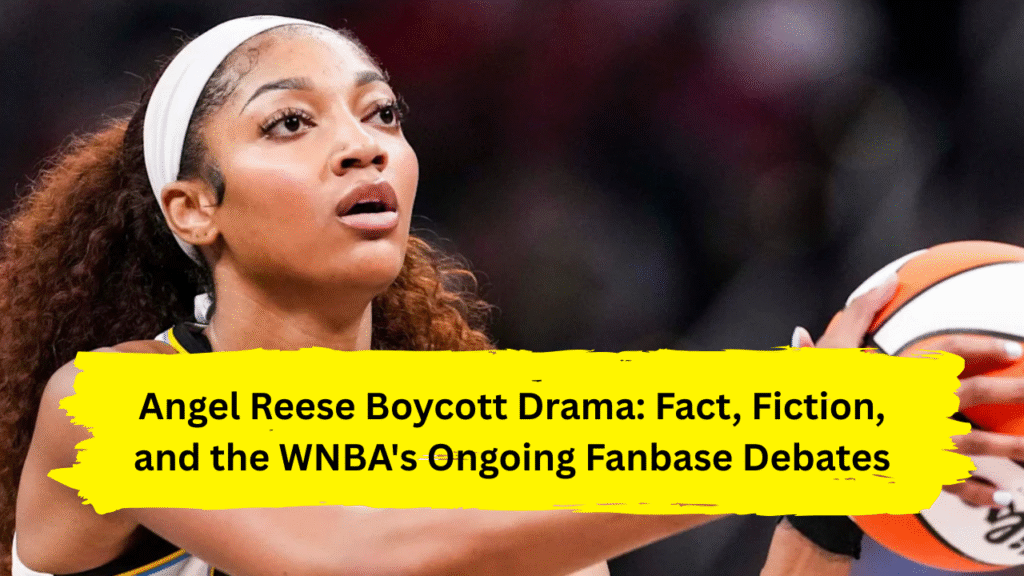
Angel Reese boycott drama has sparked heated WNBA fanbase debates—exploring fact, fiction, and what it means for the league’s future.
Angel Reese boycott drama has taken center stage in WNBA discussions, with fans passionately debating whether it reflects real tension or just media-driven speculation. As one of the most polarizing rookies in the league, Reese’s name carries weight far beyond the box score. Whether it’s her unapologetic personality, her dominance on the glass, or her ability to draw attention, she has become a focal point in conversations about the league’s growth, fan engagement, and even controversy.
But is the Angel Reese boycott drama truly as explosive as some claim? Or is it another case of narratives being spun for headlines? What’s certain is that the drama highlights deeper debates about respect, recognition, and the evolving WNBA fanbase.
Angel Reese Boycott Drama: Separating Fact from Fiction
At the heart of the Angel Reese boycott drama lies a mix of speculation and legitimate tension. Some fans argue that certain groups are boycotting games or broadcasts due to her outspoken confidence and high-profile persona. Others dismiss the idea, pointing out that league attendance and ratings are steadily growing, showing no clear signs of decline tied to Reese.
The reality likely sits somewhere in between. While a “boycott” may not be happening on a large scale, there’s no denying that Reese’s presence has sparked polarized opinions. For some, she represents the bold, unapologetic future of women’s basketball. For others, she’s a lightning rod who attracts as much criticism as she does admiration.
Angel Reese Boycott Drama and the Role of Media
The Angel Reese boycott drama is also fueled by media narratives. In today’s digital age, where clicks and hot takes dominate, stories of conflict gain more traction than stories of steady progress. Reese’s charisma and willingness to speak her mind make her an easy subject for attention-grabbing headlines.
However, while these stories highlight potential friction, they also serve another purpose: keeping the WNBA in constant conversation. Whether positive or negative, the spotlight ensures that the league—and its stars like Reese—remain part of the cultural sports dialogue.
Angel Reese Boycott Drama and Fanbase Polarization
Few rookies have divided fanbases the way Reese has. The Angel Reese boycott drama is really about something larger: the clash of different fan cultures within the WNBA.
On one hand, veteran fans want the focus to remain on fundamentals, teamwork, and tradition. On the other, new fans drawn by Reese’s star power embrace the entertainment and personality-driven narratives she brings. This cultural collision fuels much of the debate, with Reese often at the center as the face of change.
Angel Reese Boycott Drama and Social Media Impact
Social media has amplified the Angel Reese boycott drama. Every post, comment, and highlight featuring Reese turns into a battleground for fans with opposing views. Hashtags trend, debates ignite, and narratives spread faster than ever before.
Yet, this digital frenzy also underscores Reese’s marketability. Love her or hate her, fans are talking about her—and in today’s sports world, conversation equals relevance. The WNBA has benefited from the attention, even if the debates often turn heated.
Angel Reese Boycott Drama: What It Means for the WNBA
At its core, the Angel Reese boycott drama reflects the WNBA’s growing pains. As the league attracts new fans, stars like Reese bring visibility, passion, and a fresh cultural energy. But growth rarely comes without friction.
For the WNBA, this drama is both a challenge and an opportunity. The challenge lies in addressing fan divides without alienating either side. The opportunity lies in embracing Reese as a driver of engagement, one who keeps the league relevant in mainstream sports conversations.
Angel Reese Boycott Drama vs. Past WNBA Controversies
The WNBA has seen controversy before—whether over player activism, officiating, or rivalries. But the Angel Reese boycott drama feels different because it involves a rookie already shifting the league’s cultural impact.
While past debates often centered on established stars, Reese’s early influence suggests that the next generation of WNBA talent won’t wait their turn to shape the narrative. Instead, they’ll do it from day one, even if it means stirring controversy along the way.
Angel Reese Boycott Drama and Player Empowerment
One reason the Angel Reese boycott drama resonates is because it aligns with broader trends in sports: player empowerment. Reese isn’t shy about speaking her mind, celebrating her success, or embracing rivalries. That authenticity connects with fans who value athletes being themselves, not just polished figures.
Even if some fans push back, her boldness ensures she won’t be ignored. Reese’s ability to drive conversation is itself a form of power—and the WNBA benefits from stars who demand attention on and off the court.
Angel Reese Boycott Drama: The Bigger Picture for Women’s Sports
Zooming out, the Angel Reese boycott drama also highlights the growing spotlight on women’s sports. The debates, the headlines, the passion—all reflect a league gaining relevance. In many ways, Reese is a symbol of that momentum: a star who draws both admiration and criticism but ultimately commands attention.
Whether fans support or reject her, they’re engaging with the WNBA in ways that push the league forward. That engagement is priceless for the long-term growth of women’s basketball.
Conclusion
The Angel Reese boycott drama may blur the line between fact and fiction, but one thing is undeniable: it has energized fanbase debates and kept the WNBA in the spotlight. Reese’s polarizing presence embodies both the challenges and the opportunities of a growing league.
Instead of being a problem, the drama may actually be a sign of progress. It means fans care, discussions are happening, and the league is evolving. Whether you love her, critique her, or sit somewhere in between, Angel Reese has ensured that women’s basketball remains a major talking point.
For ongoing coverage of star players and league-defining storylines, visit the official WNBA site and stay updated with Latest Trending News.
FAQs
1. Is the Angel Reese boycott real?
While some claim there’s a boycott, most evidence points to debates and polarization rather than a large-scale movement.
2. Why is Angel Reese so polarizing?
Her outspoken personality, bold playstyle, and ability to command attention make her both beloved and criticized.
3. How does the Angel Reese boycott drama affect the WNBA?
It sparks fanbase debates, draws media coverage, and ultimately keeps the league in mainstream discussions.
4. Does the drama hurt or help Reese’s career?
It helps her remain relevant and marketable, even if it invites criticism along the way.
5. What does this mean for women’s basketball overall?
The drama highlights growing engagement with the WNBA, showing that fans are deeply invested in its players and narratives.