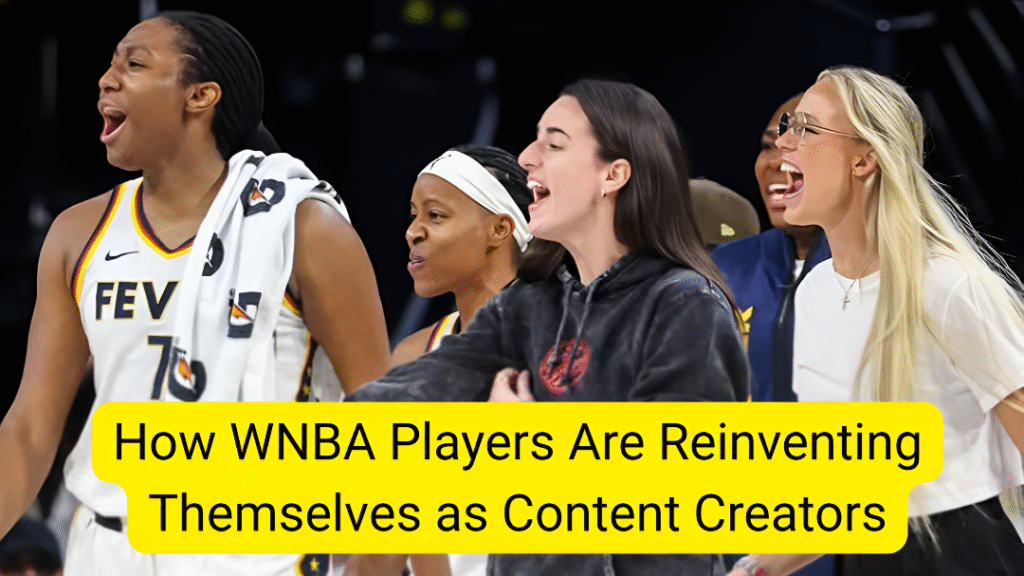
In the world of professional sports, career narratives often fade when lights go down. But in the WNBA’s evolving ecosystem, rising stars are taking control of the spotlight beyond the hardwood. Welcome to the next frontier: WNBA players as content creators — a subtle revolution reshaping fandom, identity, revenue, and storytelling in women’s basketball.
For too long, athletes have been subjects of media, not authors of it. But now, a new generation of WNBA players is quietly building digital platforms — livestreams, podcasts, personal channels, off-court storytelling — redefining what a WNBA star is. This shift is still underreported, yet it’s laying the foundation for how fans will connect with the league in years to come.
1. The Context: Why Now Is The Moment
The WNBA is riding a cultural wave. The league’s digital engagement, merchandise growth, sponsorship interest, and global reach are accelerating. As audiences demand more intimate content and behind-the-scenes access, the old model of interviews, highlight reels, and media packages feels static and limiting.
Simultaneously, social platforms are evolving: short video, live interaction, subscription models, direct fan monetization. The tools for creators are stronger, cheaper, more accessible. A player can now launch a podcast, stream her travel days, or drop mini-documentaries with minimal overhead.
The convergence is ripe. A player who masters content becomes more than a star — she becomes the lens through which fans experience the WNBA.
2. What Does It Mean, “WNBA Player as Creator”?
This role transcends a few Instagram posts or a one-off TikTok campaign. It’s sustained, controlled storytelling, where the athlete owns voice, narrative trajectory, pacing, and community. It includes:
- Livestream diaries (tour life, hotel talks, pregame rituals)
- Podcast series where the athlete interviews peers, staff, even adversaries
- Mini-documentary drops about training, injury recovery, mental health
- Interactive content: Q&As, polls, behind-the-scenes access for subscribers
- Exclusive drops / membership tiers for superfans
It’s not just side hustle content. It can become a core extension of the player’s brand. Some will earn more from content than from endorsements or even salary in certain seasons.
3. The First Movers & What They’re Teaching Us
Though widespread adoption is nascent, a few players are already planting flags in this terrain. They’re experimenting. They’re building small audiences. Some lessons are emerging:
- Authenticity draws: Fans respond more to off days, doubts, real conversations than polished highlight reels.
- Consistency matters: Sporadic content loses momentum. A weekly show or monthly drop helps retain audiences.
- Cross-platform strategy is key: One long podcast can be broken into social clips, live Q&A, Reel teasers.
- Collaboration is powerful: Pairing with teammates, fans, experts amplifies reach and reveals new dimensions of personality.
- Monetization can wait: At first, growth matters more than revenue. Once trust and audience are established, tiers, sponsorships, and merch follow.
Tracking how these pioneers adjust, pivot, scale — and how audiences respond — offers clues about the broader curve.
4. Why This Shift Matters for the WNBA
This trend isn’t just about personal branding — it’s reshaping league dynamics:
A. Narrative decentralization
Instead of legacy media framing player stories, players now co-own narrative. They can surface perspectives historically filtered out: identity, mental health, community, activism.
B. Deepening fan loyalty
When fans don’t just watch at athletes but live with them through content, their emotional anchor strengthens. Engagement becomes durable, not fleeting.
C. Alternative revenue pathways
Subscriptions, tip jars, exclusive content, branded partnerships built around content—not just names—allow players to diversify income in a league with salary ceilings.
D. Brand alignment & partnerships evolve
Brands may prefer co-creative content ventures rather than pure sponsorships. A player’s content channel is a media asset brands would want to invest in.
E. Institutional adaptation
To stay relevant, teams and the league may need to embrace creator infrastructure — offering content studios, support staff, media incubators, and flexible contracts that allow content rights.
5. Potential Challenges & Tensions
Great opportunities come with real risks. Players entering creator territory should watch:
- Time & burnout: Athletes already juggle training, travel, recovery. Maintaining content discipline is an added load.
- Quality vs spontaneity: As audience grows, expectations rise. Hiring help might dilute authenticity.
- Sponsorship pressure: Brands may push for curated content over vulnerability.
- League/contract constraints: How will media rights, image rights, and league agreements govern individual content?
- Unequal monetization: Stars will likely benefit first; role players may struggle to break through.
- Public missteps: Unfiltered commentary can provoke backlash. Risk of being misquoted or misinterpreted.
Navigating scale without losing voice will be the central tension.
6. What To Watch Next
If you want to spot when this becomes headline news, watch for:
- New content channels launched by WNBA players (YouTube shows, podcasts, substack style essays).
- Content collaborations where brands work with players on storytelling, not just logos.
- League support initiatives: content funds, co-work studios, talent development for media.
- Media shift: traditional sports journalism quoting athletes’ own content, not just press releases.
- Emergent monetization models: paid membership tiers, limited drops, exclusive livestream events.
- Rookies entering with content ambitions: Signing deals with media intent baked in.
When multiple players begin doing it in concert, it becomes a movement.
7. The Story You Can Be First to Tell
You can position yourself as the first in your network to frame this as a shift, not a novelty. Here’s how:
- Profile a creator-in-waiting: pick a player already posting more than usual and dig into their content dreams.
- Map content ecosystems: what tools, support, editing, team media—weave the backstage narrative.
- Contrast old vs new media: how coverage is or is not adapting to athlete-led storytelling.
- Forecast sustainable models: content collectives, media houses built by players, league-studio hybrids.
By naming and defining this trend now, you become the reference. When others write about “WNBA player creators,” they’ll cite your framing first.
Conclusion: From Star to Storyteller
In the WNBA’s golden moment, the court is no longer the only stage. Players are stepping into roles as content architects, narrative owners, and cultural beacons. That shift — WNBA players as content creators — is quietly happening now. It changes power, audience, longevity, and legacy.
Also Read: Latest Trending News