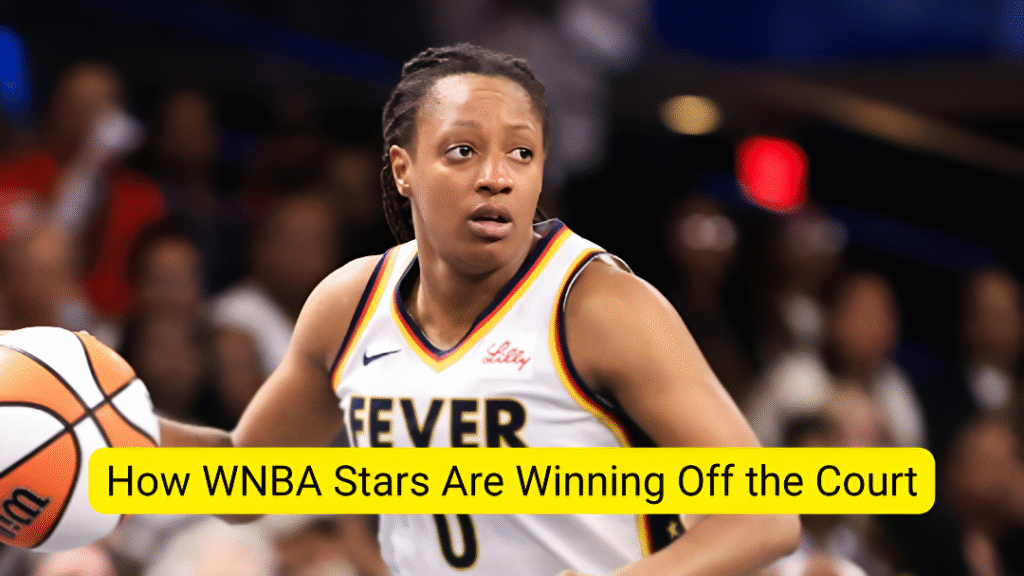
You scroll through your feed. You don’t start by looking for basketball highlights. You stop at that post where a WNBA player is cooking Sunday breakfast, talking mental health, trying on a new outfit, recalling a childhood memory, or answering DMs from fans. You watch. You listen. You connect.
That, more than a buzzer beater, is becoming the new arena for WNBA stars. In 2025, a shift is happening: more players are turning into full-blown lifestyle influencers, and off-court authenticity isn’t just a bonus—it’s becoming central to how they build brands, engage fans, and shape the league’s future.
This isn’t about Instagram flexing for its own sake. It’s about personality, purpose, realness. It’s about WNBA players owning who they are everywhere, not just in the paint.
Why This Shift Is So Powerful Right Now
The timing couldn’t be better. Here’s what’s aligning:
- Fan expectations are changing. People don’t just want stats. They want real stories. They want vulnerability. They want to know what players do behind closed doors, how they deal with pressure, what their day off looks like.
- Social media platforms have matured. Whether it’s short-form video (Reels, TikTok), podcasts, Threads/X, live streams—players have more tools to share their voice on their terms. They are no longer dependent on traditional media to build their narrative.
- Brand deals are evolving. Brands today want authenticity. They look for influencers who are more than a face—they’re storytellers. WNBA players who can be both athlete and creator are becoming valuable partners for lifestyle, wellness, fashion, mental health, and social justice brands.
- Mental health / well-being are in the spotlight. Players are more open about struggles, recovery, balance. Fans respond. The narrative of perfection is fading; realness is the new premium.
- The WNBA’s growth gives visibility. More broadcasts, more fans, more interest outside pure sport. So when players share off-court content, the audience is larger, hungrier for depth.
Who’s Already Doing It — And What It Looks Like
Some players are emerging not only as elite basketball talents but as voices people follow beyond game time. You’ll see them:
- sharing self-care routines: workouts, rest days, skincare, mental health check-ins
- giving glimpses into daily life: family, friends, hometown stories, fashion interests, travel
- collaborating with brands that align with their values: wellness, social justice, body positivity, lifestyle
- using podcasts / live video to speak openly about setbacks, failure, motivation
For many, the difference isn’t perfect curated shots. It’s raw moments: a mishap in practice, a pep talk, a fan question answered honestly. The kind of content that feels like you know them, not just watch them.
One example: a player posting a late night story about anxiety before a big game, then posting the after-game emotions, letting followers see both ends. Another: a player doing a cooking reel, or showing off thrift shopping, or showing how she balances love life / personal hobbies with training. These moments foster loyalty, because they humanize, they relate.
What “Authenticity as MVP” Means for Players & Teams
This shift—toward players as lifestyle creators—brings new responsibilities and opportunities:
-
Changes in branding & contracts
Players who are authentic both on and off court may negotiate deals that include content creation, collaboration in creative direction, and equity in how their likeness is used—not just “name on the jersey,” but “name in the lifestyle.” -
Mental and emotional cost & reward
Putting so much of the personal self out has risks: scrutiny, criticism, privacy loss. The reward is strong fan loyalty, control over narrative, diversified income, resilience in career beyond just performance. -
Team & league support
Organizations may begin to offer media / content training, support for player storytelling, policies that protect players’ personal brands. The league may lean into supporting player creators, not policing them. -
Fan engagement is deeper
When fans see players living their lives, sharing fears, mistakes, victories—it builds a different kind of connection. They become invested in the person, not just the points. That can translate to viewership, merchandise, community action.
The Challenges That Come With It
Of course, this isn’t magic. There are pitfalls and complexity.
- Balance between transparency and overshare. Too much openness can expose vulnerabilities people exploit. Players must decide what they share, what to keep private.
- Burnout and emotional labour. Because being “on” socially is exhausting. Having to perform off-court authenticity — that’s extra work beyond training, media responsibilities, season travel.
- Brand misalignment & backlash. A post that seems tone-deaf can damage reputation. Brands may push players into content that doesn’t match who they are.
- Inequality in visibility. Not every player gets equal platform. Star players get more reach; bench players or newer ones must fight for attention. So there’s still imbalance.
- Managing professionalism & personal values. Sometimes personal convictions, social causes, political stances become part of off-court identity. That’s powerful, but risky in polarized spaces.
Why This Trend Could Define WNBA’s Next 5 Years
I believe this “lifestyle authenticity” movement will be one of the biggest defining currents for the WNBA going forward.
- Brand expansion beyond sports. WNBA players already entering fashion, wellness, lifestyle sectors. Their off-court stories might bring in new audiences who weren’t traditional sports fans.
- Revenue diversification for players. Performance is still key. But income from content, collaborations, social platforms might offset dips from injuries or contract changes. Longevity increases.
- Shift in who becomes star. It’s possible someone who has a middling stat line but tells compelling stories, engages deeply with fans, shows consistent authenticity might become as beloved or as influential as purely high-stat players.
- League culture & policy change. As more players build personal brands openly, the league may adjust rules/norms around contracts, content, endorsements, image rights.
- Fan culture evolves. Fans may begin to prefer fanship that includes lifestyle: following player’s playlist, favorite clothes, life philosophy.
Six Ways Players Can Nail Off-Court Authenticity (And How Fans Can Tell When It’s Real)
Here’s how someone doing this well stands out – and how fans can spot authenticity vs just polished marketing.
- Consistency in voice. Not everything perfect. Sometimes vulnerability, mistakes, quiet moments. If a player only posts “highlight reel” content, it may feel distant.
- Values alignment. Posts that tie into what they genuinely care about: mental health, community, family. When those surface often, doesn’t feel forced.
- Behind-the-scenes glimpses. Workouts, travel, interactions, rest, food. Real life, not hotel filter or flashy campaign only.
- Fan engagement. Responding, listening, sharing fan art or messages, doing Q&A. When people feel seen.
- Balancing performance with personality. They deliver on court, but off court they show personality. The combination builds trust and admiration.
- Transparency with setbacks. Injury, mental block, playing drought—sharing it. It builds trust; reminds fans these are humans with highs and lows.
What Fans Should Be Paying Attention To Now
If you love the WNBA and want to catch this trend early, here’s what to look out for:
- New players whose social followings are growing fast because of lifestyle content, not just game highlights.
- Players starting podcasts, collaborating with small or local brands in non-basketball sectors (food, fashion, wellness).
- Media/app features or stories where players are shown beyond the game: fashion shoots, mental health stories, travel diaries.
- Teams/leagues promoting players’ off-court stories in official channels: newsletters, social media, community events.
- Changes in sponsorships: more lifestyle brands (beauty, fashion, mindfulness) sponsoring WNBA players, not just sports brands.
The Big Picture: What It Means If Authenticity Becomes the New MVP
Imagine in a few years that every WNBA All-Star game isn’t just about who scores, but who has built a movement. Where awards include “Off-Court Storyteller of the Year.” Where fans dress not just in team colour but in player-designed merch. Where players’ voices drive culture as much as their shots drive scoreboard.
This shift doesn’t dilute the sport; it deepens connection, widens audience, spreads impact. When players are true everywhere—on court, at home, in their communities—that makes the WNBA not just a league, but a culture.
And if you’re reading this as a fan, creator, or follower, this is one of the most exciting inflection points. Because the next time you share a post or watch a story, you may be seeing the future of women’s basketball—not just through dunks and blocks, but through shared meals, spoken truths, styled outfits, laughter, struggle, resilience.
Wrap-Up: Authenticity Isn’t Always Loud—But It Echoes Long
So here’s the simple truth: the WNBA is winning in the gym. But right now, it’s also winning in your feed. Players who show their real selves are no longer sideshow stories—they’re central to the game, the culture, and the league’s growth.
Authenticity is the quiet power move. It builds trust, fan love, legacy. It turns followers into communities.
Maybe we’ll look back on 2025 and say this was the year that personality became as powerful as points. That what players did off the court mattered just as much as what they did in the paint. If you care about the WNBA’s future, that’s a story worth following — because it’s just getting started.
Also Read: Latest Trending News