The NBA sells itself as the most competitive basketball league in the world. A league where talent wins, hard work pays off, and the best players rise naturally to the top. Fans are told that every superstar earns their greatness on the court, possession by possession, bucket by bucket. But for years now, a question has refused to disappear. A question that keeps resurfacing every season, every playoff run, every controversial whistle. What if the NBA isn’t calling the game the same way for everyone? What if some stars are quietly protected, while others are left exposed?
This isn’t a conspiracy born in dark corners of the internet. This is a debate happening in real time, on national television, on social media, inside locker rooms, and in postgame interviews where players choose their words carefully. Fans see it. Analysts hint at it. Players react to it. And yet, the league never fully addresses it. Because maybe, just maybe, this isn’t about fairness at all. Maybe it’s about business.
The NBA is not just a sports league. It’s a billion-dollar entertainment company. Its product isn’t just basketball games. It’s stars, storylines, legacies, and moments that can be replayed forever. The league needs faces. It needs heroes. It needs villains. And above all, it needs its biggest names on the court, healthy, visible, and marketable. That’s where the controversy begins.
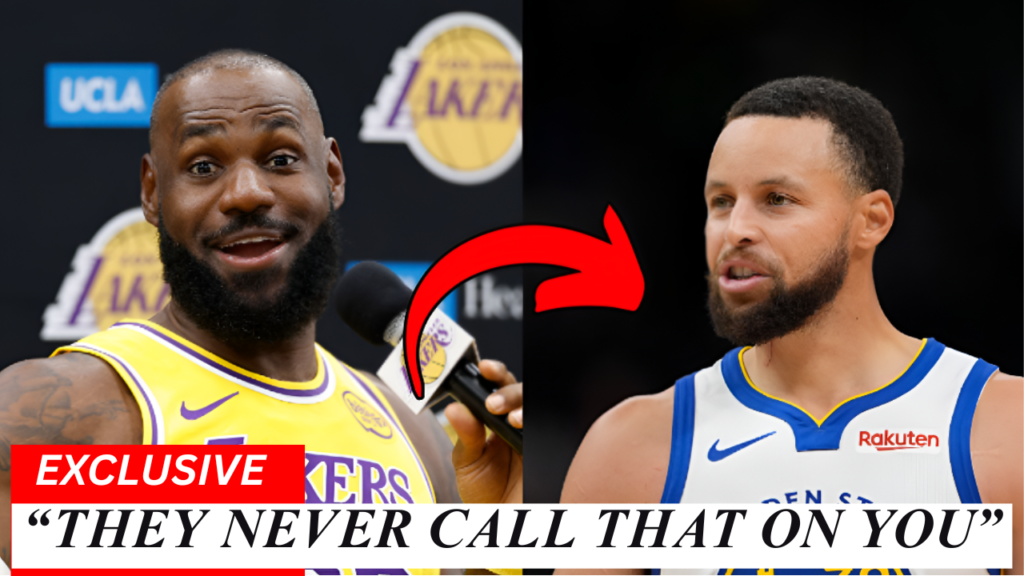
Watch any NBA game closely and you’ll notice something strange. Two players drive to the rim with nearly identical contact. One gets free throws. The other gets nothing. One player argues and walks away untouched. Another claps his hands and earns a technical foul. One star barrels into defenders and gets rewarded. Another is called for an offensive foul doing the same thing. Fans call it inconsistency. Critics call it bias. But consistency is exactly what fans expect from a professional league. So why does it feel like the rules bend depending on who’s holding the ball?
Supporters of the league say refereeing is hard. The game is fast. Angles are tricky. Every possession is different. And that’s true. But when the same patterns repeat season after season, team after team, player after player, coincidence becomes harder to believe. Especially when those patterns seem to benefit the league’s most valuable assets.
Superstars don’t just sell tickets. They sell jerseys, TV deals, sponsorships, international growth, and social media engagement. A superstar missing games because of foul trouble, suspensions, or no-calls that lead to injuries isn’t just bad basketball. It’s bad business. So the league has every incentive to keep its biggest names protected, whether intentionally or subconsciously.
This is where fans start to feel manipulated. Because when a role player gets hammered under the rim with no whistle, it’s forgotten by halftime. When a star gets a soft call in a critical moment, it’s replayed for years. The perception grows that some players are allowed to play through contact, while others are punished for it. And perception, in sports, is everything.
The playoffs only make this debate louder. Every year, fans hear the same phrase: “Let them play.” Suddenly, physical defense is encouraged. Whistles disappear. The game becomes slower, tougher, more intense. But here’s the problem. The rule change doesn’t apply evenly. Some stars continue to get calls. Others completely lose them. Players who built their scoring on free throws suddenly struggle. Players who were criticized for being “too physical” suddenly thrive. Fans start asking uncomfortable questions. Were some players inflated by the whistle all along?
When a superstar averages ten or twelve free throws a game in the regular season and suddenly drops to four in the playoffs, fans notice. When another star maintains the same whistle regardless of context, fans notice that too. The league says nothing, but the message feels clear. Not all stars are created equal.
Then there’s the issue of market size. Big markets mean big money. Big markets mean bigger TV ratings. Bigger global reach. More exposure. When a major-market team is deep in the playoffs, the league wins. When a small-market team loses its star to suspension or foul trouble, the league barely feels it. Fans hate to admit it, but money talks louder than integrity.
Look at how narratives are shaped. Certain players are described as passionate leaders when they argue with refs. Others are labeled emotional or immature for the same behavior. One star is praised for “playing through contact.” Another is criticized for “hunting fouls.” Language matters. And the league controls the microphone.
Suspensions are another flashpoint. Some players are punished swiftly and publicly. Others seem to get warnings, fines, or quiet forgiveness. Fans remember playoff series altered by suspensions. Games changed by one absence. And they remember how selectively discipline appears to be applied. The question isn’t whether rules exist. It’s whether they are enforced equally.
Defenders of the league say fans are just biased. That every fan thinks their team is treated unfairly. But when fans from opposing teams agree on the same issue, that argument collapses. When neutral viewers point out the same discrepancies, the conversation changes. This isn’t about one fan base crying foul. It’s about a pattern too visible to ignore.
The NBA loves to promote parity. They celebrate the idea that anyone can win. That talent rises. That the league is balanced. But true parity requires equal enforcement of rules. And when enforcement feels selective, parity becomes a marketing slogan rather than reality.
Even former players have hinted at this reality. Some openly say certain stars get calls they never did. Others admit they knew which players could get away with more physicality. These aren’t fans on Twitter. These are people who lived inside the league. Their words don’t come lightly.
And yet, the league never openly admits to favoritism. Because admitting it would destroy the illusion. The NBA thrives on belief. Belief in fairness. Belief in merit. Belief that greatness is earned, not managed. Once fans stop believing, the product suffers.
But here’s the uncomfortable truth. You can believe in the greatness of NBA superstars and still question the system that supports them. These things aren’t mutually exclusive. A player can be incredibly talented and still benefit from favorable treatment. A league can be entertaining and still be flawed.
What makes this controversy evergreen is that it never ends. As long as stars exist, as long as money is involved, as long as narratives matter, this debate will return. New players will enter the league. Old ones will retire. But the question will remain the same. Who is the NBA protecting?
Fans don’t want perfection. They want honesty. They want accountability. They want to know that the game they love isn’t quietly being tilted behind the scenes. And until the league confronts this perception head-on, the debate will only grow louder.
So the next time you watch a game and see a familiar star get a call that leaves you shaking your head, ask yourself one thing. Was that just basketball? Or was that business?
And now, the real question goes to you. Which NBA star do you think gets the most protection from the referees? And which star gets the least? Let the debate begin.
Also Read: Latest Trending News