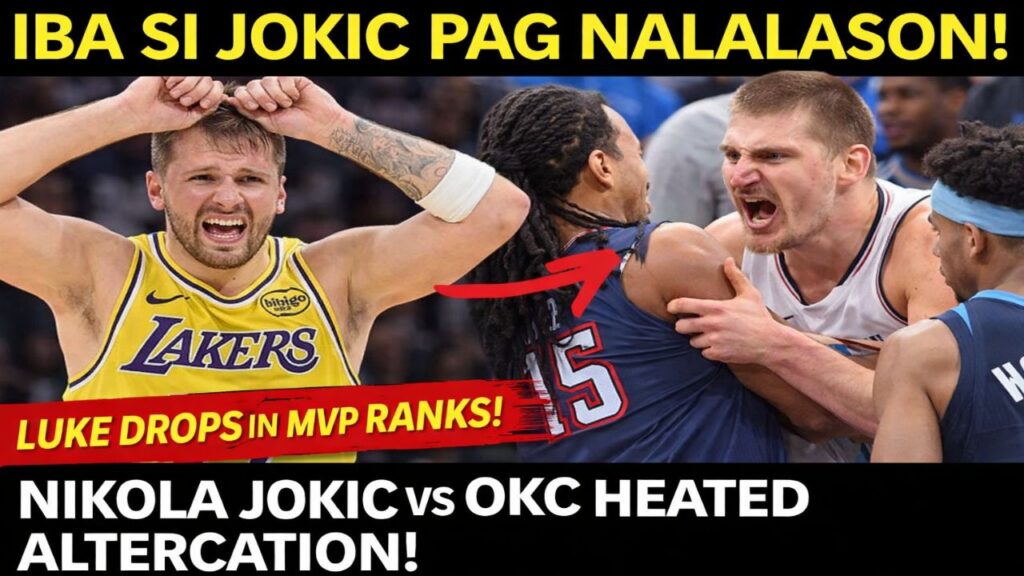
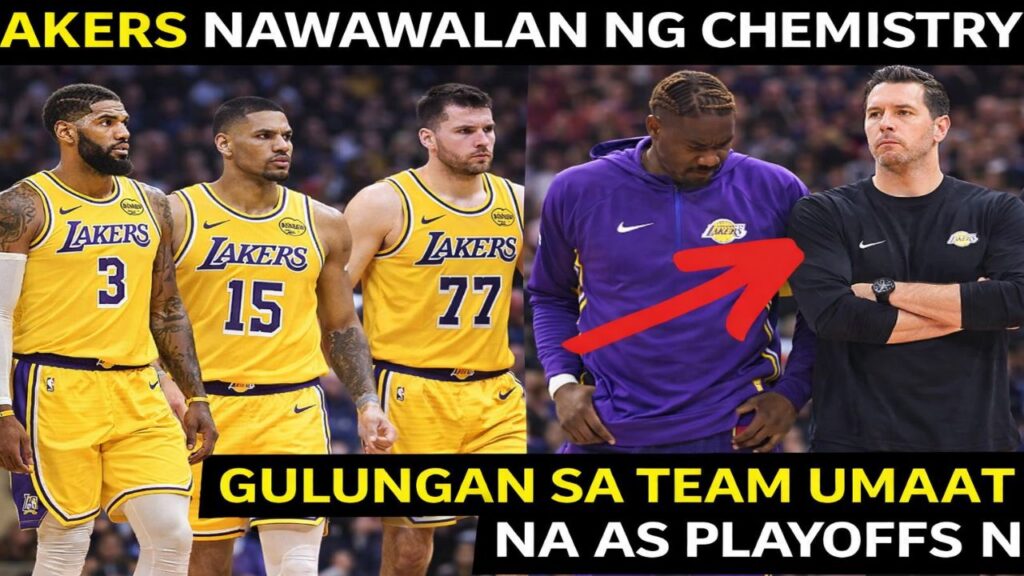
For years, NBA fans have believed that greatness should speak for itself. Play hard, win games, dominate on the court, and respect will follow. But in today’s NBA, a growing number of fans are starting to question whether basketball excellence alone is still enough. Because while some players grind their way into superstardom, others seem to be handed the spotlight before they’ve even finished proving themselves. And that raises an uncomfortable question that refuses to go away. Is the NBA quietly choosing the next face of the league while letting proven stars fade into the background?
This debate doesn’t start with hate. It starts with confusion. Fans look at box scores, standings, and advanced numbers, and then they look at headlines, commercials, and national TV schedules—and the two don’t always match. Some players dominate nightly but barely receive league-wide attention. Others are everywhere, even during stretches where their on-court impact doesn’t fully justify the hype. When that gap becomes too obvious to ignore, fans begin to wonder whether the league is shaping narratives instead of simply reacting to performance.
The NBA has always been a star-driven league. From its earliest days, individual players have carried the sport forward. But in recent years, the process of elevating stars feels faster, louder, and more deliberate than ever. Young players are crowned as the future almost overnight. One breakout season is sometimes enough to launch someone into “next face of the league” conversations. Meanwhile, established stars—players who have carried teams, delivered consistent excellence, and earned respect the hard way—often feel like they’re being slowly pushed aside.
This isn’t about jealousy. It’s about timing and balance. Fans understand that leagues need new stars. Aging superstars won’t play forever. The game must evolve. But when the push toward the future starts overshadowing the present, it creates friction. It creates resentment. And it creates the sense that the NBA isn’t just observing greatness—it’s actively deciding who gets celebrated.
One of the biggest reasons this controversy sticks is because marketing is impossible to ignore. The players featured most often in commercials, highlight packages, and social media promotions tend to be the same names over and over again. Their faces become synonymous with the league’s identity. They’re presented as must-watch, even on nights when their performances are ordinary. At the same time, other stars can put together historic stretches of basketball and still feel invisible outside their local fanbase.
Fans don’t miss this contrast. They see which players get flexed into prime-time slots. They see which games are promoted heavily and which are buried. They see which names dominate discussions on major platforms. And slowly, a narrative forms. Maybe the NBA isn’t just letting the next face of the league emerge. Maybe it’s helping decide who that face will be.
Market size plays a massive role in this discussion. Big markets bring bigger audiences, bigger sponsorships, and bigger global reach. A rising star in a major market instantly has advantages that a similarly talented player in a smaller market simply doesn’t. Exposure becomes uneven. Recognition follows visibility. And legacy begins to tilt long before careers are finished.
This is where fans start to feel uneasy. Because basketball, at its core, is supposed to reward performance. But marketing rewards appeal. And when appeal begins to outweigh production, the purity of competition feels compromised.
Awards discussions only amplify this tension. Every season, debates rage about MVPs, All-NBA teams, and All-Star selections. Fans notice when certain players dominate statistically but struggle to gain traction in national conversations. They notice when others benefit from constant visibility, even during down years. And when awards appear to follow narrative momentum instead of pure impact, accusations begin to fly.
This isn’t about saying any one player doesn’t deserve recognition. It’s about asking why recognition seems unevenly distributed. Why some players have to be undeniable to get attention, while others are celebrated for potential, projection, or marketability.
Social media has made this even more intense. The NBA controls a massive digital presence, and what it chooses to promote matters. Highlights aren’t just moments anymore—they’re messages. When certain players are repeatedly pushed to the front, fans interpret that as endorsement. When others are rarely featured, fans interpret that as neglect.
And once fans feel their favorite players are being ignored, loyalty turns into frustration.
What makes this controversy evergreen is that it repeats every generation. One era’s legends face the same tension as the next wave rises. But today, the transition feels faster and more aggressive. The league seems eager to move on, sometimes before the current stars are ready to step aside.
This creates a strange dynamic. Proven stars are still performing at elite levels, but the spotlight has already shifted. Their accomplishments feel underplayed. Their struggles feel magnified. And their narratives feel less forgiving. Meanwhile, younger stars are given room to grow, fail, and learn publicly—often with overwhelming support.
Fans begin to ask whether the league is protecting the future at the expense of the present.
This perception becomes even stronger when criticism is uneven. Some players are scrutinized relentlessly for playoff failures or bad games. Others are praised for effort, leadership, or flashes of brilliance despite similar shortcomings. Over time, fans sense double standards. And once double standards enter the conversation, trust begins to erode.
The NBA would argue that it doesn’t choose favorites, that media attention follows interest, and that fans ultimately decide who matters. But fans don’t feel that power anymore. They feel guided. Nudged. Directed. And when direction feels too heavy-handed, backlash follows.
The league’s relationship with media only complicates things further. Media narratives often mirror league priorities. When certain players dominate discussion regardless of performance, fans notice alignment. When others are rarely mentioned unless something goes wrong, fans notice that too. And slowly, the idea takes hold that narratives are being curated, not discovered.
This leads to a deeper, more emotional concern. Legacy.
Players spend their entire careers building legacies. Championships, awards, iconic moments—these define how history remembers them. But if the spotlight shifts too soon, if attention fades before careers are complete, legacies risk being rewritten unfairly. Fans worry that history won’t remember greatness accurately if marketing momentum dictates memory.
That fear fuels anger. Because fans don’t just support teams—they support stories. They want their heroes to be remembered properly.
Another layer to this controversy is international growth. As the NBA expands globally, it seeks players who resonate beyond borders. That’s not inherently wrong. But when global appeal becomes a major factor in promotion, fans question whether domestic stars are being sidelined. They wonder whether cultural reach is now as important as basketball impact.
The league’s desire to grow is understandable. But growth comes with trade-offs. And fans are increasingly aware of those costs.
What makes this debate explode on YouTube is its relatability. Every fan can name a player they believe deserves more respect. Every fan can name a player they think is overhyped. These opinions are personal, emotional, and deeply tied to identity. When you present the question without forcing an answer, fans rush in to defend their perspectives.
And they stay. They argue. They rewatch. They comment.
The NBA may never admit to choosing the next face of the league. But fans don’t need admission. They rely on patterns. And patterns, whether intentional or not, shape belief.
At the heart of this controversy isn’t bitterness. It’s fear. Fear that the game is becoming more about branding than basketball. Fear that narratives matter more than nuance. Fear that the league’s future is being built on projection instead of proof.
Yet there’s another side to this debate. Some fans argue that promotion doesn’t diminish greatness. That true stars rise regardless of coverage. That time eventually corrects everything. And they might be right. History has a way of sorting things out.
But in the moment, perception matters. And right now, perception is divided.
As long as the NBA continues to evolve, this controversy will never disappear. New stars will rise. Old stars will age. And fans will keep asking the same question, season after season. Is the league letting greatness speak for itself? Or is it deciding whose greatness matters most?
The answer depends on who you ask. And that’s exactly why this conversation refuses to die.
Because the NBA isn’t just played on the court anymore. It’s played in narratives, marketing strategies, and public perception. And until those elements feel as balanced as the game itself, fans will keep questioning what they’re really watching.
And maybe that’s the real controversy. Not whether the NBA chooses its stars—but whether fans are willing to accept it when it does.
Also Read: Latest Trending News