What if I told you the WNBA isn’t just growing… it’s transforming? Not slowly. Not quietly. But right in front of our eyes. Something is happening in women’s basketball that feels different. The arenas feel louder. The rivalries feel sharper. The conversations feel more intense. The spotlight feels brighter. And the numbers — the ratings, the attendance, the jersey sales — they’re telling a story that even skeptics can’t ignore. The question isn’t whether the league is improving. The real question is this: Are we witnessing the beginning of the WNBA’s golden era?
For years, fans of the league have defended it, debated it, and believed in it. They’ve argued about respect. They’ve argued about pay. They’ve argued about media coverage. But now, the conversation has shifted. It’s no longer about survival. It’s about dominance. It’s about relevance. It’s about whether the WNBA has officially crossed into mainstream territory — and whether this momentum is sustainable.
Let’s start with the energy. If you’ve watched games recently, you can feel it immediately. The pace is electric. The shot-making is elite. Defensive intensity is through the roof. Players aren’t just competing — they’re performing. They understand the cameras are watching. They understand the clips will go viral. Every crossover, every logo three, every staredown travels across social media within seconds. The league isn’t just being consumed on TV anymore. It’s being devoured on phones, in highlight reels, in debate shows, in livestream chats. The WNBA is no longer just a league. It’s content.
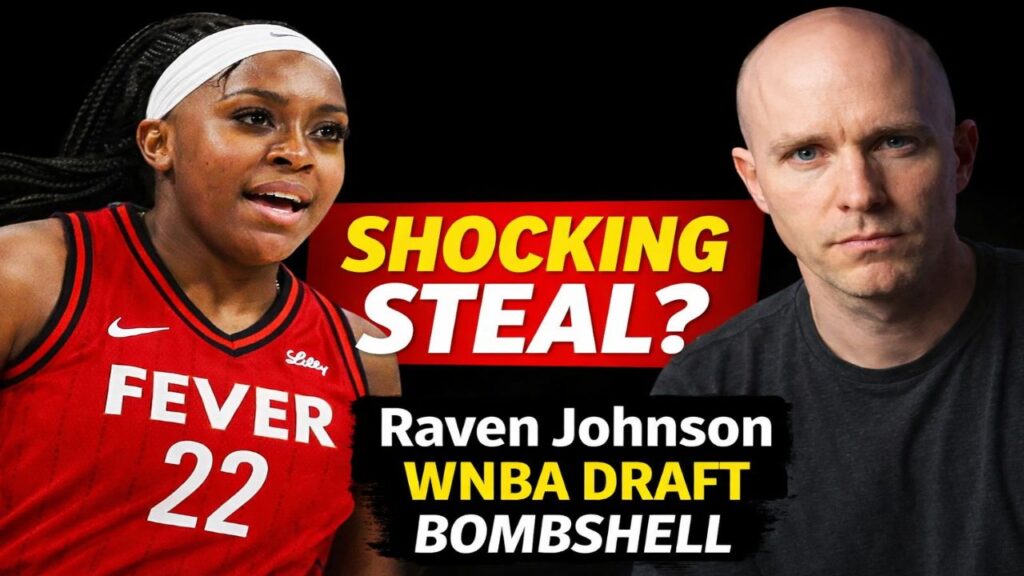
And then there’s the rookie effect. Every generation has its stars, but this new wave feels different. These players are arriving with built-in fanbases. Millions already know their names before they even step onto a WNBA court. They’re not just rookies — they’re brands. They bring college rivalries with them. They bring social media armies with them. They bring narratives that stretch back years. And when they step onto the court, the spotlight doesn’t intimidate them. It fuels them.
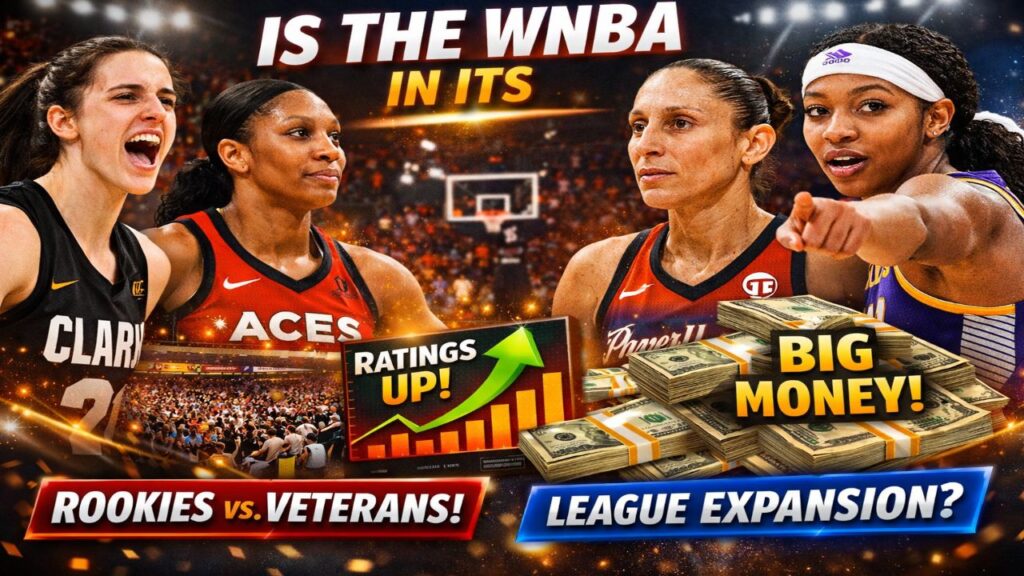
What makes this moment powerful isn’t just talent — it’s timing. The league has veterans who have carried it for years. Champions. MVPs. All-Stars who built this foundation brick by brick. Now they’re sharing the stage with fearless newcomers who play with audacity. The result? Collision. Not in a negative way — in a competitive way. Veterans aren’t backing down. They’re responding. They’re elevating. They’re reminding everyone why they’ve been elite. And that tension? That competitive fire? It’s captivating.
Think about the storylines. A rookie drops 30 and social media explodes. A veteran responds with 35 the next night. A heated matchup turns into a must-watch rivalry. Analysts argue about who deserves more credit. Fans debate legacy versus hype. It’s the perfect storm for engagement. And engagement drives growth.
But let’s talk numbers. Because emotion is powerful — but numbers validate movements. Attendance is climbing. Sellouts are happening in cities that once struggled to fill seats. Neutral fans are buying tickets just to witness the hype. Jerseys are flying off shelves. Road games feel like playoff atmospheres. There are markets where visiting rookies draw bigger crowds than the home team used to. That’s impact.
Television ratings have followed that same trajectory. Games are no longer background programming. They’re featured matchups. They’re discussed before and after broadcasts. They trend online. They spark debate on national shows. When highlight clips rack up millions of views in hours, that’s not niche. That’s mainstream behavior.
And here’s where it gets even more interesting — expansion. The league is growing. New cities want in. Investors are lining up. Ownership groups see opportunity. Expansion doesn’t happen unless confidence is high. It doesn’t happen unless projections are strong. The WNBA adding teams signals belief — belief that talent is deep enough, that fan support is stable enough, and that the future revenue model is promising enough to justify growth.
But expansion also raises a fascinating question. Is there enough talent to maintain elite competition? Some argue that spreading stars across more teams could dilute rivalries. Others argue the opposite — that more teams mean more opportunity, more storylines, more regional fanbases. If new franchises land in the right markets, the league’s footprint could explode. Imagine the draft nights. Imagine expansion drafts sparking controversy. Imagine star players choosing to lead new cities into relevance. That’s drama. That’s content.
Now let’s address the elephant in the room — money. For years, salary discussions have followed the WNBA like a shadow. Comparisons to the NBA. Overseas contracts. Endorsement gaps. But here’s what makes this moment different: leverage. When ratings rise, leverage increases. When arenas fill up, leverage increases. When merchandise sells out, leverage increases. Players understand that momentum. Owners understand it too.
The next collective bargaining conversations could redefine the league. Higher salaries. Revenue sharing adjustments. Improved travel conditions. Better facilities. These aren’t dreams anymore — they’re realistic negotiations. And if a new media deal lands at a higher valuation, everything changes. Suddenly, overseas basketball isn’t a necessity for financial stability. Suddenly, stars stay home year-round. Suddenly, the product improves even more because players aren’t exhausted from nonstop seasons.
And don’t underestimate the power of social media. Ten years ago, highlights lived on sports networks. Today, players control their narratives. They post workouts. They respond to critics. They engage with fans directly. Rivalries are amplified online. A stare-down clip can reach millions before the postgame press conference even begins. Debate culture fuels visibility. Visibility fuels growth.
The fanbase itself has evolved. It’s louder. It’s prouder. It’s more organized. Live streams, reaction channels, debate panels — entire communities exist solely to discuss this league. And here’s the key: they’re not defending it anymore. They’re celebrating it. They’re arguing about MVP races, playoff seeding, rookie of the year battles. That shift from defensive conversation to competitive conversation signals maturity.
Now let’s zoom out. Historically, every sports league experiences a defining surge. The NBA had the Magic and Bird era. Then Jordan. Then Kobe and LeBron. The NFL had dynasties that carried it into cultural dominance. The WNBA may be entering its own defining stretch — a period where star power, media alignment, and cultural timing collide perfectly.
But golden eras aren’t automatic. They’re earned. Sustained excellence is required. Rivalries must remain authentic. The product on the court must stay elite. And the league must navigate controversy wisely. Because with attention comes scrutiny. Every foul call is debated. Every technical foul is dissected. Every quote becomes a headline.
And maybe that’s the biggest indicator of growth — scrutiny. When casual fans argue about officiating, when national commentators debate MVP voting, when celebrities attend games courtside, you know something has shifted. Indifference has turned into investment.
The rookie-versus-veteran dynamic will continue to shape this narrative. Established stars are not fading quietly. They’re defending their legacies with pride. They’ve built this league. They’ve carried it through quieter years. They’re not handing over the spotlight without a fight. And that fight is compelling television.
Playoff basketball is where this golden era conversation could truly solidify. High-stakes games define leagues. Buzzer-beaters. Upsets. Game five classics. If this new generation delivers unforgettable postseason moments, momentum becomes legacy. People don’t just remember numbers — they remember moments. The shot. The block. The stare. The quote.
There’s also a cultural element at play. Women’s sports as a whole are rising. College ratings are surging. International competitions are gaining traction. Corporate sponsors are investing more aggressively. The WNBA sits at the center of that movement. It’s benefiting from broader momentum while simultaneously fueling it.
So are we officially in the golden era? Or are we at the doorstep? That depends on sustainability. Can the league maintain this pace over the next five years? Can it convert viral moments into long-term fans? Can it build superstars who transcend sports entirely?
One thing is undeniable — the perception has shifted. The WNBA is no longer a quiet alternative. It’s a headline. It’s a debate topic. It’s appointment viewing for millions. That doesn’t happen by accident. That happens when talent meets opportunity.
And maybe the most exciting part is this: we don’t know the ceiling yet. Expansion could unlock new markets. A blockbuster Finals matchup could shatter records. A new TV deal could multiply exposure overnight. A generational rivalry could define an era.
The golden era conversation isn’t just about numbers. It’s about feeling. And right now, the league feels alive. It feels urgent. It feels important.
So the next time you tune in and see a sold-out arena. The next time a rookie drops a 35-piece and a veteran responds with 40. The next time a rivalry trends worldwide. Ask yourself — is this the turning point historians will look back on?
Because years from now, fans might say, “That’s when it changed. That’s when the WNBA stepped into its power.”
And if that’s true, then we aren’t just watching games.
We’re watching history unfold.
Also Read: Latest Trending News