WNBA CBA negotiations are heating up as players demand revenue sharing and fair pay. With franchise values soaring, the fight for player compensation is defining the league’s future.
The WNBA has never felt this alive. Packed arenas, record-breaking TV numbers, investors lining up for expansion teams — it feels like women’s basketball is finally getting the spotlight it has deserved for decades. But underneath the excitement is a question that won’t go away: are the players — the very people driving this surge — actually getting their fair share?
That’s the heartbeat of the league right now. With the current collective bargaining agreement (CBA) set to expire in 2025, the players’ union is pushing hard for changes: better pay, a real slice of the league’s revenue, and working conditions that match the modern era of women’s sports. This isn’t just another round of negotiations. It could reshape the WNBA forever.
Why Now? The Numbers Don’t Lie
Think about it. Just a few years ago, WNBA franchises were selling for a fraction of what they’re worth today. Fast forward to 2025, and teams like the New York Liberty are being valued close to half a billion dollars. Yes — billion with a “B.”
The growth is undeniable. Media rights are expanding, sponsors are flooding in, merch is selling out, and social engagement is skyrocketing. Yet, player salaries haven’t moved nearly as fast. The maximum salary in the WNBA still doesn’t even scratch what many NBA role players earn on a bench contract.
The disconnect has never been clearer. And players are done keeping quiet about it.
What the Players Want
So, what exactly are they fighting for? It’s not just about a bigger paycheck — though that’s part of it. It’s about fairness and respect.
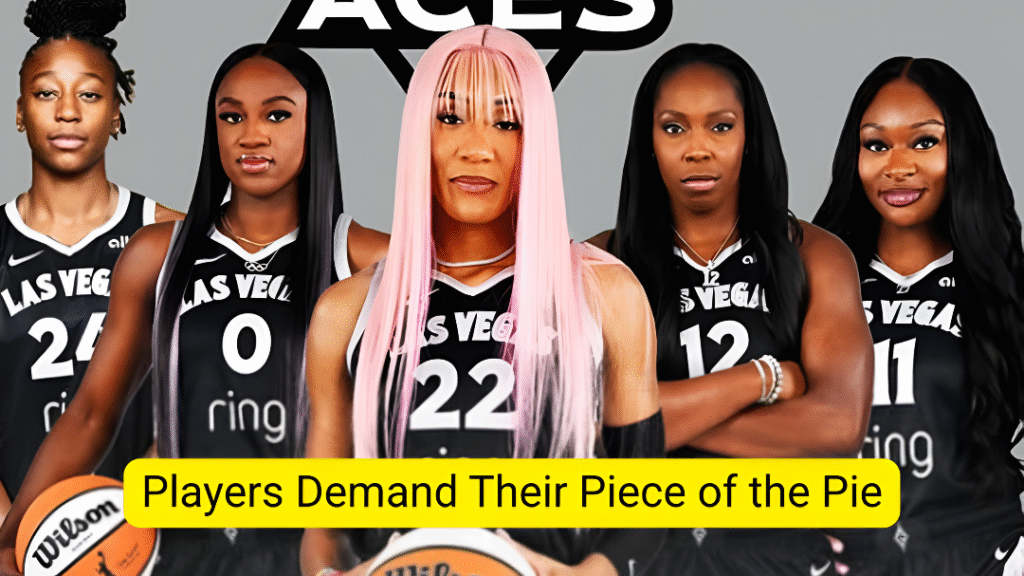
- Revenue Sharing: If the league makes more money, the players want to see some of that pie. Simple as that.
- Higher Base Salaries: The current salary scale doesn’t reflect the growth of the league. Some players still make less than overseas contracts.
- Better Travel & Scheduling: The infamous charter flight debates, grueling back-to-backs, and cramped schedules — these are quality-of-life issues that directly affect performance.
- Transparency: Players want to know where the money’s going. If valuations are rising this fast, why aren’t salaries keeping pace?
It’s a movement built on the idea that if the league is thriving, the athletes shouldn’t have to scramble for offseason jobs just to make ends meet.
Why This Moment Feels Different
We’ve seen salary talks before. But this time, the pressure cooker feels hotter.
- Franchise Values Are Skyrocketing: Owners are cashing in. That makes it harder to argue against bigger paydays for players.
- Public Support Is Stronger: Fans are louder, more active online, and more supportive of player movements than ever before. Every rally, every social media push, gets amplified.
- Labor Momentum: From Hollywood strikes to women’s soccer pay battles, labor fights are resonating in America right now. The WNBA’s push fits right into that bigger picture.
- Expansion On the Horizon: With new franchises entering the league, the economics are shifting fast. Players want their contracts to reflect that.
The Pushback From Owners
Of course, owners aren’t exactly throwing open the vault. They argue that the league is still in growth mode, that many teams operate at thin margins, and that pumping too much money into salaries could hurt long-term stability.
That’s their stance. But here’s the thing: stability means very little without the players. And the players know it.
What Could a Fair Deal Look Like?
Nobody’s expecting WNBA contracts to suddenly mirror NBA ones overnight. But there are smart, realistic ways to bridge the gap.
- A tiered revenue sharing model that kicks in when the league hits certain revenue thresholds.
- A meaningful raise in minimum salaries, so even rookies and bench players feel the growth.
- Guaranteed charter flights for the season. That’s not luxury anymore — it’s necessity.
- Playoff and performance bonuses that directly tie earnings to league success.
These are not radical demands. They’re practical steps that can transform the league into a player-first organization.
Fans Have a Role Too
This isn’t just between players and owners. Fans matter here. When fans rally behind players, tweet about it, show up at games, buy jerseys, and keep pressure on media outlets, it strengthens the players’ hand.
And honestly, fans want this. They don’t want to see their favorite stars grinding through 16-hour travel days or juggling offseason jobs. They want to see the best basketball possible, and that requires fair pay and fair conditions.
The Bigger Picture for Women’s Sports
Let’s zoom out. If the WNBA players win this fight, it won’t just change their league. It could spark a ripple effect across women’s sports globally. Soccer, hockey, even Olympic sports — they’re all watching how this plays out.
The truth is, women’s sports are exploding in popularity. And the way the WNBA handles this labor movement could set the blueprint for every league that follows.
The Countdown to 2025
The clock is ticking. The CBA deadline is set for October 31, 2025. That might sound like plenty of time, but negotiations like this are rarely smooth. Each side will test the other. Public statements will fly. There will be posturing, rallies, leaks to the media.
But make no mistake — this is the biggest off-court battle the WNBA has faced in years. And how it ends will determine whether the league keeps climbing, or risks alienating the very stars that built its momentum.
Closing Thoughts
This moment isn’t just about contracts. It’s about respect. It’s about acknowledging that the WNBA isn’t “up-and-coming” anymore. It’s here, it’s valuable, and it deserves a business model that matches its reality.
The league’s future will be shaped not just by who hits the clutch three in the playoffs, but by whether the women who make the game so special finally get their fair slice of the empire they’re building.
And when that first new CBA headline drops, one thing will be clear: the WNBA will never be the same again.
Also Read: Latest Trending News