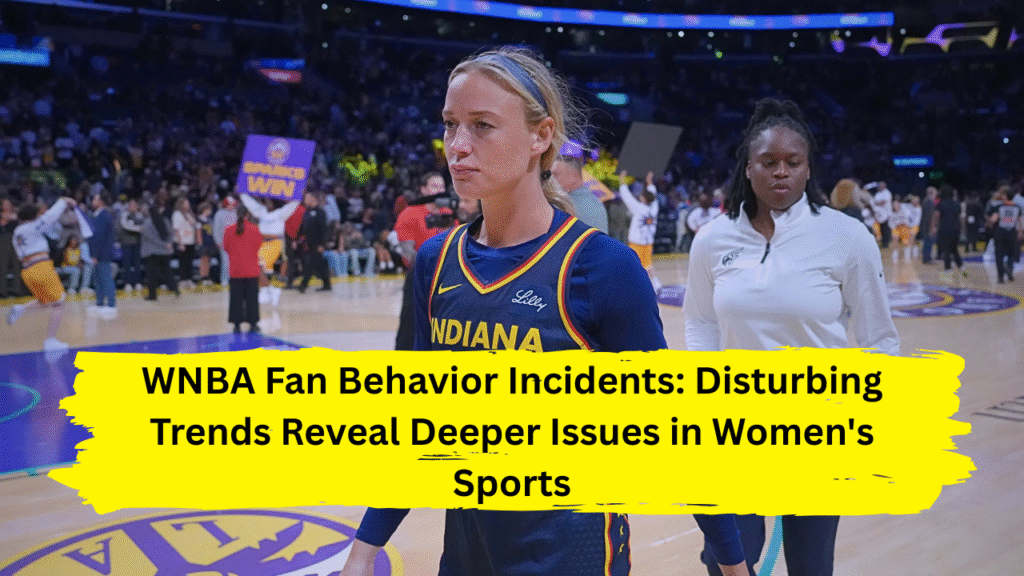
WNBA fan behavior incidents expose troubling patterns of harassment and disrespect toward female athletes, revealing systemic problems in sports culture.
Recent WNBA fan behavior incidents have exposed disturbing patterns of inappropriate conduct at women’s basketball games, highlighting troubling intersections between online culture, misogyny, and sports fandom that demand serious examination and immediate action. These incidents represent far more than isolated acts of poor judgment; they reflect deeper societal issues about how women athletes are perceived, respected, and treated in professional sports environments.
The WNBA fan behavior incidents have shocked the basketball community and forced uncomfortable conversations about the unique challenges facing women’s professional sports. These events demonstrate how internet culture, cryptocurrency trends, and underlying gender bias can manifest in real-world harassment that threatens the safety and dignity of female athletes.
Understanding the Scope of Inappropriate Conduct
The WNBA fan behavior incidents encompass a range of inappropriate actions that extend far beyond typical sports heckling or competitive enthusiasm. These behaviors represent deliberate acts of harassment and disrespect that specifically target the gender and sexuality of female athletes in ways that would never be tolerated at men’s sporting events.
Analysis of these WNBA fan behavior incidents reveals patterns of conduct that appear coordinated and intentional rather than spontaneous expressions of fan passion. The calculated nature of these actions suggests underlying misogynistic attitudes that view women’s sports as targets for degrading behavior rather than legitimate athletic competition.
The escalation from verbal harassment to physical acts during WNBA fan behavior incidents demonstrates how online toxicity can translate into real-world violence and intimidation. This progression raises serious concerns about fan safety protocols and venue security measures at women’s sporting events.
The viral nature of these incidents on social media platforms has amplified their impact while potentially encouraging copycat behaviors at future games, creating ongoing safety concerns for players, officials, and other fans.
The Role of Internet Culture and Meme Coins
The connection between WNBA fan behavior incidents and internet meme culture reveals how online communities can organize around harassment campaigns that target women’s sports. The integration of cryptocurrency trends and viral content creation has provided new avenues for coordinated disrespectful behavior.
Meme coin communities have unfortunately become associated with some WNBA fan behavior incidents, demonstrating how financial speculation and misogynistic attitudes can combine to create toxic fan environments. These connections highlight the need for better understanding of how internet culture influences real-world behavior.
The gamification of harassment through cryptocurrency rewards and social media attention has transformed WNBA fan behavior incidents from isolated pranks into potentially profitable activities for perpetrators. This economic incentive structure makes addressing the problem more complex and urgent.
The viral spread of inappropriate content related to these incidents has created additional harm for athletes while potentially normalizing disrespectful behavior at women’s sporting events.
Gender-Based Harassment in Sports Venues
The WNBA fan behavior incidents expose the unique forms of harassment that female athletes face compared to their male counterparts. These behaviors specifically target athletes’ gender and sexuality in ways that reveal deep-seated misogynistic attitudes within certain fan communities.
The sexual nature of many WNBA fan behavior incidents creates hostile environments that can impact player performance, mental health, and career longevity. Female athletes should never have to endure sexualized harassment while attempting to compete professionally.
Comparing fan behavior at men’s and women’s sporting events reveals stark differences in the types of harassment directed at athletes. The WNBA fan behavior incidents demonstrate how gender bias manifests in sports environments through targeted disrespect and objectification.
The psychological impact on players witnessing or experiencing these incidents extends beyond immediate discomfort to potentially affect career decisions, performance levels, and overall well-being of female athletes.
Security and Venue Management Failures
The WNBA fan behavior incidents have exposed significant gaps in security protocols and venue management at women’s basketball games. The ability of fans to bring inappropriate items into arenas and disrupt games reveals inadequate screening and enforcement procedures.
Venue security personnel appear unprepared to handle the specific types of harassment common in WNBA fan behavior incidents, suggesting need for specialized training and protocols for women’s sporting events. Standard security measures may be insufficient to address gender-based harassment patterns.
The WNBA and individual franchises must reassess their security policies and fan conduct enforcement to prevent future incidents and protect players from harassment. This responsibility extends to creating safe environments for all attendees.
Post-incident responses have often been inadequate, with insufficient consequences for perpetrators and minimal support for affected players, indicating need for comprehensive policy reforms and enforcement mechanisms.
Impact on Player Safety and Well-being
The WNBA fan behavior incidents have created additional stress and safety concerns for players who already face numerous challenges in professional women’s sports. These incidents can affect performance, mental health, and career satisfaction for female athletes.
Players have reported feeling unsafe and distracted by the possibility of similar incidents occurring at future games. The WNBA fan behavior incidents have created lasting anxiety that extends beyond individual events to affect overall playing environments.
The targeting of specific players through these incidents has created additional security concerns and may influence career decisions, team selections, and personal safety measures that players must consider.
Mental health support and counseling services have become more important as players process the trauma and stress associated with these harassment incidents during their professional careers.
League Response and Policy Changes
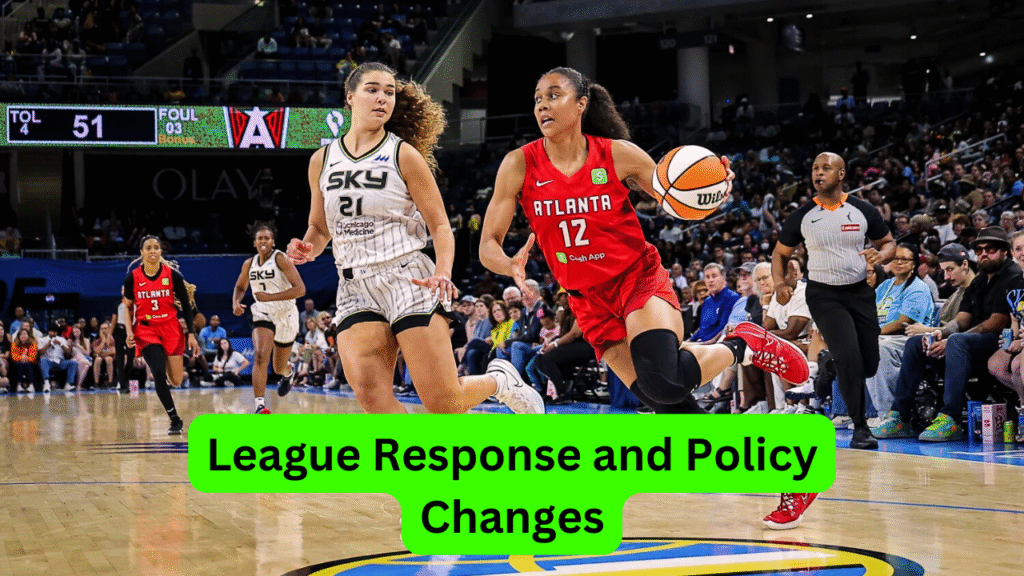
The WNBA’s response to these WNBA fan behavior incidents will set important precedents for how women’s sports leagues address harassment and maintain safe environments for athletes. League policies must evolve to address new forms of harassment that emerge from internet culture.
Disciplinary actions against perpetrators of WNBA fan behavior incidents must be swift, severe, and well-publicized to deter future inappropriate behavior. Current consequences may be insufficient to prevent repeat incidents or discourage others from similar actions.
Collaboration with law enforcement agencies may be necessary to address WNBA fan behavior incidents that cross legal boundaries into harassment, assault, or creating public disturbances. Some behaviors may require criminal prosecution rather than just venue ejection.
League-wide policies addressing fan conduct, venue security, and incident response must be developed to ensure consistent protection for players across all franchises and venues.
Media Coverage and Public Discourse
Coverage of WNBA fan behavior incidents has varied significantly across media outlets, with some treating the incidents as humorous pranks while others have recognized the serious harassment and safety implications involved.
The framing of these WNBA fan behavior incidents in media coverage influences public perception and can either normalize inappropriate behavior or generate appropriate outrage and calls for reform. Responsible journalism requires treating these incidents seriously.
Social media discussions surrounding these incidents have often amplified harmful content while failing to adequately address the harassment and safety concerns involved. Platform policies may need updates to prevent viral spread of harassment content.
Public discourse about WNBA fan behavior incidents must focus on the harassment and safety aspects rather than treating them as entertainment or publicity opportunities for the league.
Broader Cultural Implications
The WNBA fan behavior incidents reflect broader societal attitudes toward women’s sports and female athletes that extend far beyond basketball venues. These behaviors indicate systemic issues with gender respect and equality in athletics.
The intersection of misogyny, internet culture, and sports fandom revealed by these WNBA fan behavior incidents demonstrates how online toxicity can manifest in real-world harassment and discrimination against women.
Educational initiatives and cultural change efforts may be necessary to address the underlying attitudes that contribute to these incidents and create more respectful environments for women’s sports.
The response to WNBA fan behavior incidents will influence how other women’s sports leagues and organizations approach similar challenges and develop protective policies for female athletes.
Prevention and Future Solutions
Preventing future WNBA fan behavior incidents requires comprehensive approaches that address venue security, fan education, cultural change, and legal consequences for harassment behaviors. Single solutions will likely prove insufficient.
Technology solutions including improved screening procedures, enhanced surveillance systems, and social media monitoring may help identify and prevent WNBA fan behavior incidents before they occur or escalate.
Fan education programs emphasizing respect for athletes and appropriate sporting behavior could help prevent WNBA fan behavior incidents by addressing underlying attitudes and expectations for venue conduct.
Collaboration between leagues, law enforcement, venue management, and advocacy organizations will be necessary to develop effective strategies for addressing these complex issues.
Also Read: Latest Trending News at USASportsPulse.com for comprehensive coverage of all major sports developments and breaking news.
Conclusion
The WNBA fan behavior incidents represent a critical moment for women’s professional sports that demands immediate action and long-term cultural change. These incidents expose uncomfortable truths about gender bias, internet culture, and the unique challenges facing female athletes in modern society.
Addressing WNBA fan behavior incidents effectively will require sustained effort from leagues, venues, law enforcement, and society as a whole to create safe, respectful environments where women can compete without fear of harassment or degradation. The stakes extend far beyond individual incidents to the fundamental question of whether women’s sports can thrive in environments free from gender-based harassment.
The response to these WNBA fan behavior incidents will ultimately determine whether women’s professional sports can overcome these challenges and continue growing in popularity and respect, or whether they will be hindered by ongoing harassment that drives away players, fans, and supporters who demand better treatment for female athletes.