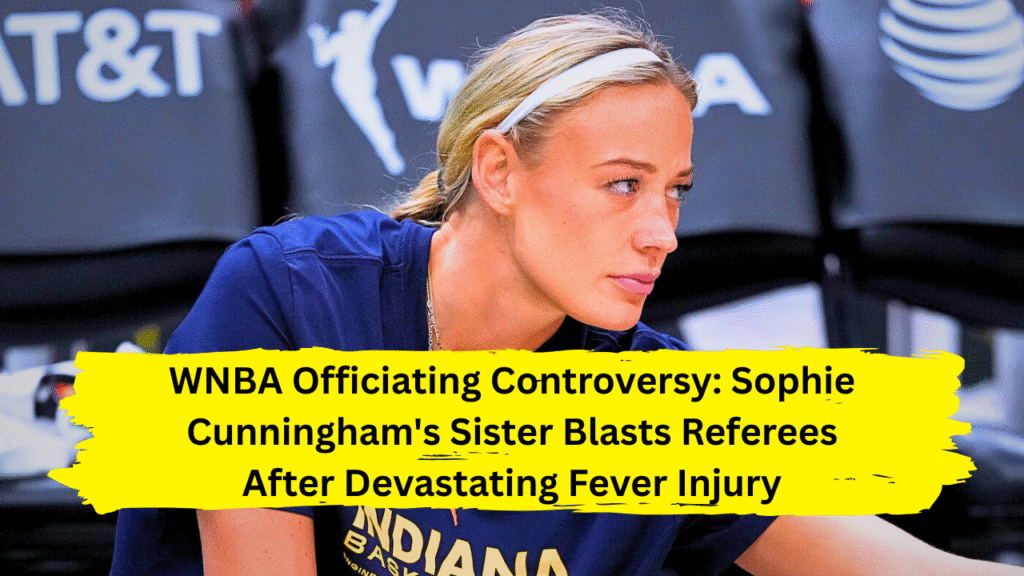
WNBA officiating controversy erupts as Sophie Cunningham’s sister condemns referee performance following serious knee injury to Indiana Fever guard during heated matchup.
A heated WNBA officiating controversy has exploded across social media following a devastating knee injury to an Indiana Fever guard, with Sophie Cunningham’s sister leading the charge in condemning what she called “pathetic” referee performance. The incident has reignited longstanding debates about officiating standards in women’s professional basketball and whether current protocols adequately protect players from dangerous plays.
The WNBA officiating controversy reached a boiling point when family members of players began publicly criticizing referee decisions that they believe directly contributed to preventable injuries. The passionate response from Cunningham’s sister represents growing frustration among players, families, and fans who feel that inconsistent officiating is compromising player safety across the league.
The Incident That Sparked Outrage
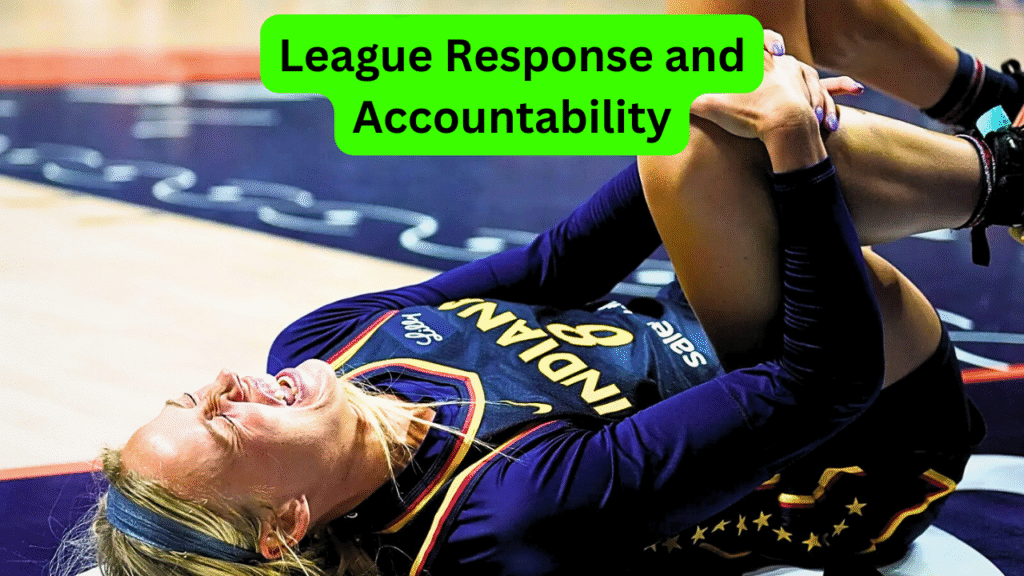
The WNBA officiating controversy began during a intense matchup where physical play escalated throughout the game without appropriate referee intervention. The Fever guard suffered what appeared to be a serious knee injury during a play that many observers felt should have resulted in a flagrant foul call or ejection.
Video replays of the incident have been analyzed extensively on social media, with many pointing to what they consider obvious fouls that went uncalled in the moments leading up to the injury. The WNBA officiating controversy intensified as slow-motion footage revealed contact that appeared to violate player safety protocols.
Sophie Cunningham’s sister took to social media immediately following the game, posting a scathing critique of the officiating crew’s performance. Her use of the word “pathetic” to describe the referees’ handling of the situation quickly went viral and became a rallying cry for others frustrated with officiating standards.
The emotional nature of her response reflected the deep concern that player families feel when they perceive that inadequate officiating is putting their loved ones at risk for serious injuries that could impact their careers and long-term health.
Breaking Down the Sister’s Viral Critique
The social media posts that launched this WNBA officiating controversy included detailed analysis of specific plays and referee decisions throughout the game. Cunningham’s sister didn’t limit her criticism to the injury play itself but highlighted a pattern of missed calls that she argued created an increasingly dangerous environment.
Her critique of the WNBA officiating controversy included screenshots of plays, timestamps of missed calls, and comparisons to similar situations in previous games where different officiating standards were applied. This comprehensive approach demonstrated serious study of the game and officiating patterns.
The viral nature of her posts was amplified by their emotional authenticity and detailed basketball knowledge, which resonated with fans and players who have observed similar officiating inconsistencies throughout the season. Her willingness to speak out publicly added a personal dimension to ongoing professional debates about referee performance.
The WNBA officiating controversy gained additional traction when other players and family members began sharing and endorsing her critique, creating a groundswell of support for improved officiating standards and player protection measures.
Player Safety Concerns at the Forefront
The WNBA officiating controversy has highlighted fundamental concerns about player safety protocols and whether current officiating standards adequately protect athletes from preventable injuries. The knee injury that sparked this debate represents exactly the type of situation that proper officiating should prevent.
Medical experts who have reviewed the play sequences leading to the injury have noted that several fouls went uncalled, creating an environment where increasingly physical play escalated without appropriate consequences. This WNBA officiating controversy reflects broader concerns about referee training and consistency in applying safety-related rules.
Player safety advocates argue that the WNBA must prioritize protective officiating over maintaining game flow, especially when dangerous plays threaten career-ending injuries. The current controversy has amplified these voices and demands for immediate action.
The injured Fever guard’s situation serves as a stark reminder of how officiating decisions can have lasting consequences on players’ health, careers, and families. This WNBA officiating controversy has personalized these abstract policy debates in powerful ways.
League Response and Accountability
The WNBA officiating controversy has put pressure on league officials to address concerns about referee performance and player safety protocols. While the league typically avoids public commentary on specific officiating decisions, the magnitude of this controversy has demanded some form of response.
League representatives have acknowledged receipt of concerns about officiating standards while emphasizing their commitment to player safety and continuous improvement of referee training programs. However, many critics feel that the WNBA officiating controversy requires more substantial action than standard diplomatic responses.
The controversy has renewed calls for increased transparency in referee evaluation processes and public accountability measures when officiating standards fall short of expectations. Critics argue that the current system lacks sufficient oversight to address systemic problems.
Some have proposed reforms including expanded video review capabilities, enhanced referee training focused on player safety, and regular public reporting on officiating performance metrics to address concerns raised by this WNBA officiating controversy.
Historical Context of WNBA Officiating Debates
This WNBA officiating controversy builds upon years of accumulated frustration with inconsistent referee performance across the league. Players, coaches, and fans have long criticized what they perceive as uneven application of rules and inadequate protection for skilled players.
Previous incidents involving questionable officiating decisions have created a pattern of controversy that this latest incident has brought to a head. The WNBA officiating controversy represents a culmination of these longstanding concerns rather than an isolated incident.
Comparisons to officiating standards in other professional basketball leagues have frequently been unfavorable to the WNBA, with critics arguing that the women’s game deserves the same level of officiating excellence as men’s professional basketball.
The evolution of the women’s game toward increased athleticism and physicality has not always been matched by corresponding improvements in officiating standards, contributing to ongoing WNBA officiating controversy situations.
Social Media Impact and Public Opinion
The viral spread of Sophie Cunningham’s sister’s critique demonstrates how social media has transformed sports controversies and public discourse about officiating. The WNBA officiating controversy gained momentum through platforms that allow immediate, unfiltered responses to game events.
Twitter, Instagram, and TikTok have become primary venues for debating referee performance, with video evidence and expert analysis spreading rapidly among engaged fan communities. This WNBA officiating controversy exemplifies how social media can amplify individual voices into league-wide discussions.
The democratization of sports commentary through social media has given families and fans unprecedented ability to influence public opinion about officiating standards. Traditional media outlets have been forced to cover controversies that originate and gain traction through social platforms.
The authenticity and emotional resonance of family members defending injured players has proven particularly powerful in shaping public opinion about the WNBA officiating controversy and demands for reform.
Player and Coach Perspectives
Active players have been somewhat cautious in publicly joining the WNBA officiating controversy, likely due to concerns about potential league discipline for criticizing officials. However, many have found ways to express support for improved officiating standards without directly endorsing specific critiques.
Coaches have generally been more diplomatic in addressing officiating concerns, though some have acknowledged that player safety must remain the top priority in all referee decisions. The WNBA officiating controversy has created pressure for coaches to balance team advocacy with professional relationships.
Retired players have been more willing to speak openly about officiating problems, adding credibility to arguments that the WNBA officiating controversy reflects genuine systemic issues rather than isolated complaints from frustrated fans.
The collective voice of the basketball community, while not always unified, has generally supported demands for improved officiating standards and better player protection measures.
Impact on Game Integrity and Competition
The WNBA officiating controversy raises important questions about how inconsistent officiating affects competitive balance and game integrity throughout the league. When safety fouls go uncalled, it can fundamentally alter game outcomes and playoff implications.
Teams and players adjust their strategies based on how games are being officiated, but inconsistent standards make it difficult to develop coherent game plans. This WNBA officiating controversy highlights how poor officiating can impact competitive fairness.
The injury aspect of this controversy adds another dimension, as teams may lose key players due to preventable injuries caused by inadequate officiating. These consequences extend far beyond individual games to affect entire seasons and playoff races.
Maintaining public confidence in game integrity requires consistent, high-quality officiating that protects players while allowing competitive basketball to flourish.
Potential Solutions and Reforms
The WNBA officiating controversy has generated numerous suggestions for improving referee performance and player safety protocols. These range from enhanced training programs to expanded video review capabilities and increased accountability measures.
Technology solutions, including real-time communication systems and advanced video analysis tools, could help referees make better decisions and reduce dangerous play situations. The WNBA officiating controversy has renewed interest in these technological improvements.
Increased transparency in referee evaluation and discipline processes could help restore public confidence while providing accountability for poor performance. Many advocates suggest regular public reporting on officiating metrics and improvement initiatives.
Enhanced collaboration between the league, players association, and referee union could lead to comprehensive reforms that address the concerns highlighted by this WNBA officiating controversy.
Looking Forward: Change and Accountability
The WNBA officiating controversy sparked by Sophie Cunningham’s sister’s passionate critique represents a potential turning point for league officiating standards. The combination of social media attention, player safety concerns, and public pressure may finally force meaningful reforms.
Whether this controversy leads to lasting change will depend on the league’s willingness to acknowledge problems and implement comprehensive solutions. The WNBA officiating controversy has created an opportunity for positive transformation if stakeholders commit to meaningful action.
Also Read: Latest Trending News at USASportsPulse.com for comprehensive coverage of all major sports developments and breaking news.
Conclusion
The WNBA officiating controversy triggered by Sophie Cunningham’s sister’s emotional response to a serious player injury has exposed fundamental problems with referee performance and player safety protocols. Her willingness to speak out publicly has given voice to widespread frustration and demands for immediate reform.
This controversy represents more than just criticism of individual referees or isolated incidents. The WNBA officiating controversy reflects systemic issues that require comprehensive solutions focused on player safety, competitive integrity, and public confidence in the league’s commitment to excellence.
The basketball community’s response to this controversy demonstrates the passion and investment that fans, families, and players have in the WNBA’s success. Addressing the concerns raised by this WNBA officiating controversy will require leadership, accountability, and genuine commitment to protecting the athletes who make this league extraordinary.