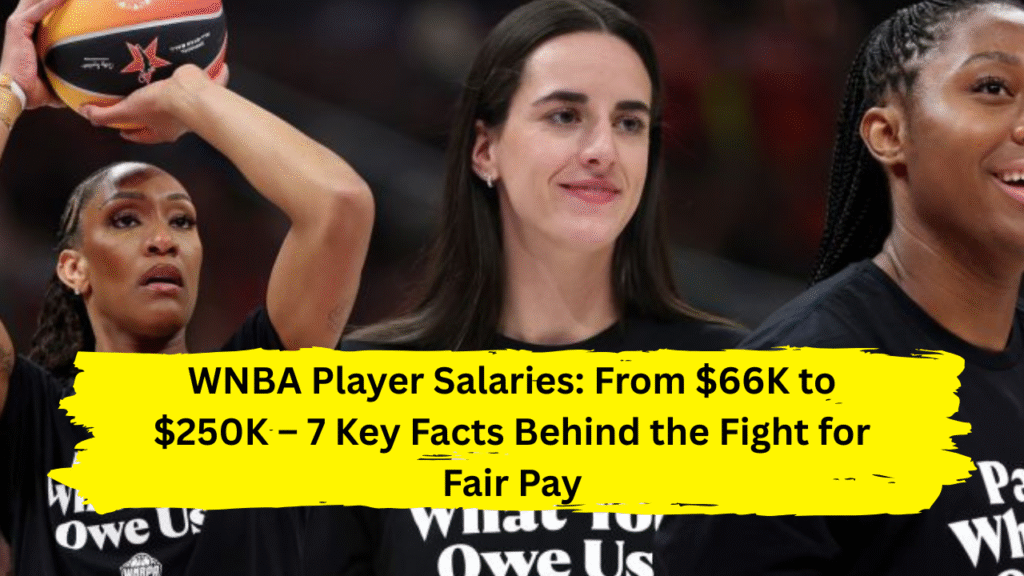
WNBA player salaries are at the center of heated contract talks, jumping from $66K to $250K for top earners. Discover 7 key facts driving the debate.
WNBA Player Salaries: A New Era in the Fight for Fair Pay
The conversation around WNBA player salaries is louder than ever. In the league’s latest contract talks, a historic pay jump is on the table—taking top salaries from $66,000 just a few years ago to as much as $250,000 today. But while this looks like a massive win on paper, players are quick to point out that the fight isn’t over. The push for fair pay is about more than just numbers—it’s about respect, equity, and the growth of women’s basketball.
The Journey of WNBA Player Salaries Over the Years
When the league first tipped off in 1997, WNBA player salaries were modest, with many athletes needing off-season jobs to make ends meet. Fast forward to today, and the landscape is shifting—but the pay gap between WNBA and NBA players remains staggering.
Reason 1: From $66K to $250K—Why the Jump Matters
For years, the average salary hovered around $66,000. Now, under the latest proposed structure, the highest-paid players could earn up to $250,000. This leap in WNBA player salaries isn’t just about bigger paychecks—it’s about showing athletes their talent is worth investing in.
Reason 2: The Role of Collective Bargaining
The rise in WNBA player salaries didn’t happen overnight. Collective bargaining agreements (CBAs) have been the driving force behind pay increases, giving players a unified voice to negotiate better terms and benefits.
Reason 3: The Revenue-Sharing Debate
A major sticking point in the fight for fair pay is revenue sharing. Players argue that WNBA player salaries should be tied more directly to the league’s growing revenue, similar to other major sports leagues.
Reason 4: Overseas Play and the Pay Gap
Many WNBA stars still head overseas in the off-season, where they can earn salaries that dwarf their U.S. earnings. The goal? Boost WNBA player salaries enough so that playing year-round isn’t a financial necessity.
Reason 5: Sponsorship and Media Coverage
Increased exposure leads to more sponsorship deals, which in turn can help raise WNBA player salaries. As TV ratings climb and streaming options expand, there’s real potential for the league’s financial pie to grow.
Reason 6: Travel and Working Conditions
While salaries are important, players are also pushing for better working conditions—like charter flights and improved schedules. After all, fair pay isn’t truly fair if the working environment doesn’t match professional standards.
Reason 7: The Bigger Picture for Women’s Sports
The battle over WNBA player salaries is part of a wider movement for gender equity in sports. Every gain sets a precedent, not just for basketball, but for women’s leagues around the world.
The Impact of Salary Growth on the Game
Higher WNBA player salaries can attract and retain top talent, making the league more competitive and entertaining. It also signals to young athletes that women’s basketball can be a viable and rewarding career.
League’s Position on Salary Increases
The WNBA has made strides, but officials emphasize that financial growth must be sustainable. The challenge is balancing WNBA player salaries with the league’s long-term stability.
Public Reaction to the Salary Debate
Fans are split—some see the salary jump as overdue, others worry about financial risks. What’s clear is that the discussion around WNBA player salaries is driving more attention to the league than ever before.
Looking Ahead: What’s Next for WNBA Player Salaries?
If current negotiations succeed, we could see WNBA player salaries continue to rise in the next few years. The real win will be ensuring these gains come with lasting changes to benefits, conditions, and revenue sharing.
Also Read: Latest Trending News
Conclusion
The leap from $66K to $250K marks a pivotal moment in the history of WNBA player salaries. But as players remind us, the fight for fair pay isn’t just about the top earners—it’s about creating a sustainable, equitable future for every athlete in the league. This battle is reshaping women’s basketball, and its outcome could inspire change across the entire sports world.
FAQs
1. What’s the average salary for a WNBA player?
Currently, average WNBA player salaries vary but remain far lower than their NBA counterparts.
2. Why do WNBA players still play overseas?
Many athletes earn higher pay abroad, supplementing WNBA player salaries during the off-season.
3. How does revenue sharing affect WNBA player salaries?
Greater revenue sharing could significantly boost WNBA player salaries and benefits.
4. What role does the CBA play in setting salaries?
The CBA determines pay scales, bonuses, and working conditions for WNBA player salaries.
5. Will WNBA player salaries continue to rise?
If the league’s growth continues, WNBA player salaries are likely to keep increasing in coming years.